

Aquatic environments, with their intricate ecosystems, often face challenges from invasive or excessive weed growth. Managing these aquatic weeds is essential for maintaining water quality, supporting aquatic life, and ensuring the usability of water bodies for recreation and irrigation. Effective control often involves the use of specialized herbicides. However, the success of these treatments hinges on a critical step: proper tank mixing sequence.
This guide will walk you through the precise steps for mixing Scuba 200 SL, a potent contact herbicide, with compatible adjuvants for optimal aquatic weed control. Following a correct mixing order is not just about convenience; it’s about maximizing the effectiveness of your spray solution, preventing compatibility issues, and ensuring that every drop counts towards a healthier aquatic environment. Without a proper sequence, you might find your valuable products separating, clumping, or failing to deliver their intended punch, leading to wasted effort and resources.
Understanding the Importance of a Proper Tank Mixing Sequence
 Think of tank mixing as a delicate chemical dance. Each product has its own unique properties, from its formulation type to its solubility and charge. Throwing them all into the spray tank without a thought can lead to chaos. Imagine trying to mix oil and water – they simply won’t blend. Similarly, certain herbicide formulations and adjuvants can react negatively when introduced in the wrong order. This can result in a range of problems, from the mild inconvenience of a messy tank to the serious issue of reduced herbicide efficacy.
The goal is to create a stable, homogeneous spray solution. This means that all the active ingredients and supporting chemicals are evenly dispersed throughout the water, ready to be applied uniformly to the target weeds. When the solution is stable, you get consistent coverage, leading to predictable and effective weed control. When it’s unstable, you might have patches where the herbicide is too concentrated, potentially harming non-target organisms, or areas where it’s too diluted to be effective, leading to a need for re-application.
 What Can Go Wrong Without a Correct Mixing Order?
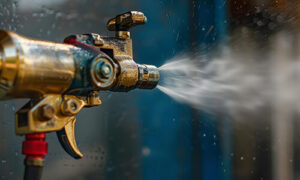
- Precipitation and Sedimentation: Some chemicals, when mixed incorrectly, can form solids that settle at the bottom of the tank. This not only clogs nozzles and filters but also means that the active ingredient is no longer available in the spray solution. Imagine your valuable herbicide turning into a sludge – it’s a direct waste of your investment.
- Gelling and Clumping: Certain formulations, particularly those with high concentrations or specific polymers, can turn into a thick gel or form sticky clumps. This makes spraying almost impossible and can permanently damage your spray equipment.
- Reduced Efficacy: Even if physical incompatibility isn’t immediately obvious, improper mixing can alter the chemical properties of the active ingredients, making them less effective against the target weeds. The herbicide might not be absorbed properly by the plant, or its ability to disrupt plant processes could be diminished.
- Phytotoxicity: In some cases, a poorly mixed solution can become more aggressive than intended, causing harm to desirable plants or aquatic organisms that you are trying to protect. This is especially critical in aquatic environments where the balance of the ecosystem is so delicate.
- Equipment Damage: Clogged nozzles, pumps working harder to move thick solutions, and corrosive reactions can all lead to premature wear and tear on your expensive spray equipment. Regular maintenance is important, but preventing avoidable damage through correct mixing is even better.
Key Components of Your Aquatic Spray Solution
Before diving into the mixing sequence, let’s get acquainted with the players involved. Understanding the role of each component helps clarify why a particular mixing order is recommended.
Scuba 200 SL: The Contact Herbicide
Scuba 200 SL is a contact herbicide specifically designed for aquatic weed control. As a “contact” herbicide, it works by directly damaging the plant parts it touches. This means thorough coverage is absolutely essential for its effectiveness. The “SL” in its name indicates it’s a Soluble Liquid formulation. Soluble liquids are generally easy to mix and disperse in water, but they still benefit from a structured approach, especially when combined with other products.
Adjuvants: The Performance Enhancers
Adjuvants are not herbicides themselves, but they are crucial for making your herbicide work better. They can improve spray coverage, increase absorption, reduce drift, and condition water. For more information on the various types and their benefits, you can refer to our article on adjuvants in agriculture.
Wetting and Spreading Adjuvants (e.g., Sprayfilm 10, Wet-All)
These adjuvants, such as Sprayfilm 10 or Wet-All, reduce the surface tension of water, allowing the spray droplets to spread out more effectively on the waxy surfaces of plant leaves. This means better coverage and absorption of the herbicide. Think of it like adding a tiny bit of dish soap to water; it helps the water spread and penetrate instead of beading up.
Penetrating Adjuvants (e.g., Performer)
Some adjuvants, like Performer, are designed to help the herbicide move through the protective outer layers of the plant more easily. This is particularly useful for plants with thick cuticles or waxy coatings, ensuring the active ingredient reaches its target within the plant efficiently.
 Water Conditioners and pH Buffers (e.g., Quattro Buff, Balancer)
The quality of your water can significantly affect herbicide performance. Hard water, which contains high levels of minerals like calcium and magnesium, can bind to herbicide molecules, making them less available to the plant. pH levels also play a role; some herbicides are more stable and effective within a specific pH range. Products like Quattro Buff or Balancer help counteract these issues by softening water and adjusting pH to the optimal range. For more on this, check out our insights on the best water conditioner for hard water.
Other Adjuvants (e.g., Hyperboost SL, Silwet)
There’s a variety of other adjuvants, each with a specific purpose. Hyperboost SL might enhance the activity of the herbicide, while an organosilicone adjuvant like Silwet offers superior spreading. Always consult the label for recommended adjuvants and their specific roles.
Water: The Carrier
Water isn’t just a diluent; it’s the primary carrier for your spray solution. Its quality directly impacts the effectiveness of your chemicals. Factors like pH, hardness, and the presence of sediment can all influence the stability and performance of the spray mix. Using clean, appropriate water is the first step towards a successful application.
The Step-by-Step Tank Mixing Sequence (The W.A.S.H. Method)
 A commonly recommended sequence for mixing agricultural chemicals, often adapted for aquatic applications, is the “W.A.S.H.” method (Wettable Powders, Agitation, Soluble Liquids, Herbicides). However, given Scuba 200 SL is a soluble liquid, and we’re focusing on it with adjuvants, we can simplify and refine this into a more direct, step-by-step process. This sequence prioritizes proper dispersion and dissolution of each product before adding the next, reducing the risk of incompatibility.
Step 1: Fill the Tank Halfway with Clean Water and Start Agitation
- Why it matters: Starting with approximately half the final volume of water provides enough liquid for initial mixing and allows room for adding all the components. Continuous agitation from this point onwards is vital to keep products dispersed and prevent settling. Think of it as keeping the dance floor clear and the music playing before all the dancers arrive.
- Action: Begin filling your spray tank with clean water. Once it’s about half full, turn on your agitator. Maintain constant agitation throughout the entire mixing process.
Step 2: Add Water Conditioners / pH Buffers
- Why it matters: If your water is hard or has an unsuitable pH, it can tie up active ingredients or reduce their stability. Adding water conditioners like Quattro Buff or Balancer first allows them to work on the water quality before any herbicides or other sensitive products are introduced. This “pre-treats” your water, creating an optimal environment for the chemicals to perform.
- Action: Measure the recommended amount of water conditioner or pH buffer. Slowly add it to the agitated water in the tank. Allow a few minutes for it to fully disperse and condition the water.
Step 3: Add Soluble Liquids (SL) – Scuba 200 SL
- Why it matters: Soluble liquids, like Scuba 200 SL, dissolve readily in water. Adding them at this stage ensures they are fully dissolved and evenly distributed before other products that might hinder their solubility are introduced.
- Action: Carefully measure the required amount of Scuba 200 SL. Pour it slowly into the tank while maintaining agitation. Allow ample time (usually 2-3 minutes) for it to fully dissolve and mix completely.
Step 4: Add Suspension Concentrates (SC) or Flowables (F) (if applicable)
- Why it matters: While your primary product is an SL, you might be tank mixing with other products that are SC or F formulations (e.g., Limpopo SC). These are finely ground solid particles suspended in a liquid. They require good agitation to stay suspended and should be added after soluble liquids but before emulsifiable concentrates.
- Action: If using any SC or F products, measure them accurately and add them slowly to the tank. Continue agitation for several minutes to ensure full suspension.
Step 5: Add Adjuvants (Wetting/Spreading, Penetrating)
- Why it matters: Adjuvants are generally added towards the end of the mixing process. This allows the primary herbicide to be fully dispersed first. Wetting and spreading agents, like Sprayfilm 10 or Wet-All, and penetrating adjuvants such as Performer, are designed to interact with the spray solution, so adding them after the main herbicide is present makes sense.
- Action: Measure the correct amount of your chosen adjuvant(s). Slowly pour into the agitated tank. Allow a couple of minutes for proper mixing.
Step 6: Top Up with Water to Final Volume
- Why it matters: Once all components are added and thoroughly mixed, you can bring the solution to its final desired volume.
- Action: Continue filling the tank with water until the desired final spray volume is reached. Maintain agitation throughout this final filling step and until application.
Pre-Mixing and Jar Tests: Your Best Friends
Even with a perfect mixing sequence, sometimes unexpected incompatibilities can arise, especially when combining products for the first time or if product formulations have subtly changed. This is where pre-mixing and jar tests become invaluable tools.
 The Jar Test: A Small-Scale Trial
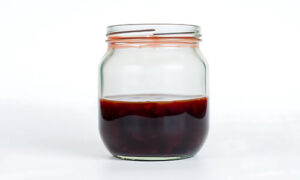
- What it is: A jar test is a simple, small-scale simulation of your full tank mix. It allows you to observe how the different components react with each other before you commit to mixing a large volume in your spray tank.
- How to do it:
- Use a clean, clear glass jar: A quart-sized (1-liter) jar is usually sufficient.
- Scale down your recipe: If you’re mixing 100 liters in your tank and use 1 liter of herbicide, you’ll need to calculate the proportional amount for your jar test (e.g., if the tank is 100 times larger, divide your herbicide quantity by 100 for the jar).
- Add components in the correct sequence: Follow the W.A.S.H. method or the specific sequence outlined above, adding each component proportionally to the water in the jar.
- Agitate well after each addition: Cap the jar and invert it several times to simulate agitation.
- Observe: After adding all components and mixing, let the jar stand for at least 30 minutes (and ideally for a few hours or overnight if you have time). Look for signs of incompatibility:
- Separation: Do layers form?
- Precipitation: Do solids settle at the bottom?
- Gelling or Clumping: Does the mixture become thick or lumpy?
- Flocculation: Do small particles clump together?
- Foaming: Does excessive, persistent foam appear?
- What to do if you see problems: If the jar test shows any issues, do not mix the batch in your main tank. This indicates an incompatibility. You might need to adjust the mixing order, try a different adjuvant, or reconsider the tank mix altogether. It’s far better to discover incompatibility in a small jar than in a full spray tank.
Pre-Mixing: For Certain Formulations
While Scuba 200 SL (SL formulation) typically mixes well directly in the tank, some formulations, especially wettable powders (WP) or dry flowables (DF), benefit greatly from pre-mixing in a smaller container before adding them to the main tank. This ensures they are fully hydrated and dispersed, preventing clumps from forming in the spray tank.
- How to pre-mix:
- Add the measured amount of the product to a clean bucket or smaller container.
- Add a small amount of water and mix thoroughly to create a slurry or paste.
- Once smooth, slowly pour this pre-mix into the main spray tank while agitation is active.
 Important Considerations for Aquatic Applications
Aquatic environments are particularly sensitive, and therefore, extra precautions and considerations are vital when applying herbicides.
Read the Product Labels, Every Time
This cannot be stressed enough. The product label is the legal document and your primary source of information. It contains specific instructions for mixing, application rates, safety precautions, environmental hazards, and any known compatibility issues. Labels can change, so always read the most current label for every product you are using, even if you’ve used it before. This is particularly important for products like Scuba 200 SL and its specific aquatic use recommendations.
Water Quality: Beyond pH and Hardness
While pH and hardness are critical, also consider other aspects of your water source:
- Sediment: Turbid water with high sediment content can reduce herbicide effectiveness by binding to active ingredients. Use clean water whenever possible.
- Temperature: Extremely cold water can make some products slower to dissolve.
Environmental Sensitivity and Regulations
- Non-Target Organisms: Be acutely aware of the presence of fish, amphibians, beneficial insects, and other aquatic life. Choose products and application methods that minimize impact on these organisms. Scuba 200 SL is formulated for aquatic weeds, but responsible application is still paramount.
- Water Use Restrictions: Understand any restrictions on the use of treated water for irrigation, drinking, or recreational activities following herbicide application. These are usually specified on the product label.
- Permits: In many regions, applying herbicides to aquatic environments requires special permits. Ensure you have all necessary approvals before application.
 Personal Protective Equipment (PPE)
Always wear appropriate PPE when handling and mixing agricultural chemicals. This typically includes:
- Chemical-resistant gloves
- Eye protection (goggles or face shield)
- Long-sleeved shirt and long pants
- Chemical-resistant footwear
- Respirator (if recommended on the label)
Equipment Calibration and Maintenance
Even the best mixing sequence won’t compensate for poorly calibrated equipment. Ensure your sprayer, nozzles, and pumps are in good working order and calibrated to deliver the correct spray volume. Regular cleaning of your spray tank, lines, and nozzles is essential to prevent build-up and contamination, which can lead to future mixing problems. You can learn more about finding the best sprayer for your needs.
Weather Conditions
Wind speed and direction are critical in aquatic applications to prevent spray drift onto non-target areas or sensitive habitats. Avoid spraying during windy conditions. Temperature and humidity can also influence spray droplet evaporation and herbicide absorption. Always check the weather forecast before spraying. For more details on managing spray drift, see our spray drift management guide and insights into weather and herbicide drift.
Beyond Scuba 200 SL: General Mixing Principles and Other Herbicide Types
While this guide focuses on Scuba 200 SL, the principles of proper tank mixing apply to a wide range of herbicides and other crop protection products. Understanding different formulation types is key to adapting your mixing sequence.
Common Herbicide Formulation Types
- Wettable Powders (WP): Dry, finely ground particles that form a suspension when mixed with water. They often require pre-slurrying in a small amount of water to prevent clumping. Examples might include older formulations of some selective or non-selective herbicides.
- Dry Flowables (DF) or Water Dispersible Granules (WDG): Granular formulations that disperse and suspend in water. Similar to WPs, they benefit from good agitation and sometimes pre-slurrying.
- Suspension Concentrates (SC) or Flowables (F): Liquid formulations containing finely ground solid particles suspended in a liquid. These are typically easy to mix but require constant agitation to keep the particles from settling. Limpopo SC is an example of an SC formulation.
- Emulsifiable Concentrates (EC): Active ingredients dissolved in an oil-based solvent, forming an emulsion when mixed with water. They mix well but should generally be added after water-based formulations to prevent inversion.
- Soluble Liquids (SL): As discussed with Scuba 200 SL, these are formulations that dissolve completely in water. They are usually among the first to be added.
- Solutions (S): Similar to SLs, these products dissolve fully in water.
- Granular (G): Products like Kilo are typically applied dry and do not require tank mixing. However, understanding their appropriate timing and application methods is still crucial, as detailed in our seasonal granular herbicide timing guide.
General Tank Mixing Order (The “WALES” Method)
While our focus here is on Scuba 200 SL, a more general tank mixing order, often referred to as “WALES,” can be helpful for broader applications:
- Wettable powders (WP) and Dry flowables (DF/WDG)
- Agitate and add Water-soluble liquids (SL/S)
- Liquid flowables (F) or Suspension concentrates (SC)
- Emulsifiable concentrates (EC)
- Surfactants and other adjuvants
The key principle remains consistent: start with products that require more effort to dissolve or disperse, and end with those that are most easily mixed or are sensitive to high concentrations of other chemicals.
Common Aquatic Weed Challenges and Solutions
Understanding the types of aquatic weeds you’re dealing with helps select the right herbicide and ensures your mixing efforts are targeted.
Emergent Weeds
These weeds grow rooted in the bottom sediments but have most of their vegetative parts above the water surface (e.g., cattails, bulrushes). Contact herbicides like Scuba 200 SL can be effective on their exposed foliage, but thorough coverage is paramount.
Submerged Weeds
These weeds grow entirely beneath the water surface, though some may produce flowers that extend above the water (e.g., hydrilla, pondweed). Application for these often involves subsurface injection or ensuring the spray solution distributes well through the water column. Scuba 200 SL is a contact herbicide, so it needs to directly contact the submerged plant surfaces.
 Floating Weeds
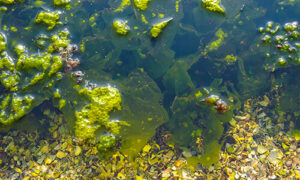
These weeds either float freely on the surface (e.g., duckweed, watermeal) or are rooted at the bottom with leaves floating on the surface (e.g., water lilies, water hyacinth). Contact herbicides are highly effective on these as they allow for direct application to the target foliage. Effective coverage is key, and adjuvants that aid in spreading across waxy surfaces are particularly helpful here.
Algae
While often mistaken for aquatic weeds, algae are different organisms. Herbicides designed for vascular plants may not be effective against algae. Special algicides are used for this purpose. Always identify the specific nuisance growth before selecting a control method.
Beyond the Tank: Best Practices for Aquatic Weed Management
Proper tank mixing is a crucial element, but it’s part of a larger strategy for sustainable aquatic weed control.
Integrated Pest Management (IPM) Approach
Relying solely on chemical control can lead to resistance and unintended ecological consequences. An IPM approach combines various methods:
- Prevention: Limiting nutrient runoff, managing shoreline vegetation, and preventing the introduction of invasive species.
- Biological Control: Introducing natural enemies of the weeds (e.g., certain fish or insects).
- Mechanical Control: Manual removal, harvesting, or dredging.
- Cultural Control: Manipulating water levels or light penetration.
- Chemical Control: Using herbicides as a targeted tool when other methods are insufficient.
This holistic approach reduces the overall reliance on herbicides and supports a healthier aquatic ecosystem.
Timing of Application
Applying herbicides at the right time in the weed’s life cycle maximizes effectiveness. Younger, actively growing weeds are generally more susceptible to herbicides than mature, stressed plants. Consider seasonal growth patterns and target specific windows for optimal results. For example, some aquatic weeds are best treated in spring before they form dense mats.
Monitoring and Evaluation
After application, it’s important to monitor the treated area to assess the effectiveness of the control and to identify any re-growth or new infestations. This feedback loop helps refine future management strategies. Keep records of your applications, including dates, rates, products used, and environmental conditions.
Safe Disposal
Always dispose of leftover spray solution and empty containers according to local regulations and product label instructions. Never pour unused chemicals down drains or into natural water bodies.
Conclusion: Ensuring a Healthy Aquatic Future
The success of aquatic weed control, particularly when using products like Scuba 200 SL, starts long before the sprayer ever enters the water. It begins with careful planning, understanding your products, and meticulously following the correct **tank mixing sequence**. This diligent approach ensures that your spray solution is stable, effective, and delivers the desired outcome – a healthier, more balanced aquatic environment.
By investing a little extra time in preparation and following these guidelines, you not only maximize the performance of your herbicides and adjuvants but also minimize potential issues, protect your equipment, and contribute to responsible environmental stewardship. Every drop of correctly mixed solution is a step towards maintaining the vitality of our precious water resources. For further resources and products, visit our blog or explore our all products page.