
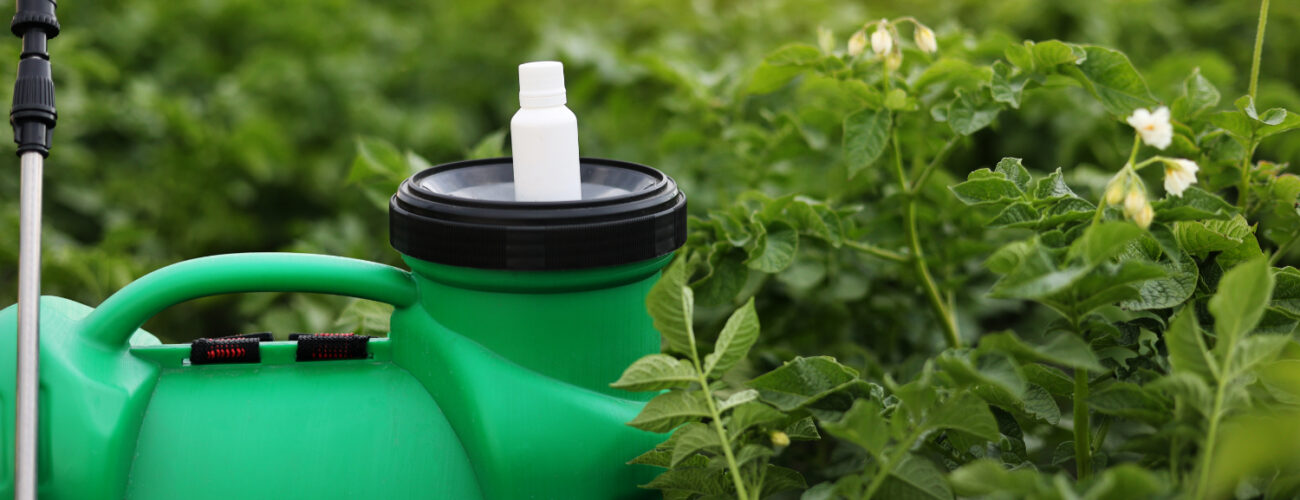
Adjuvants in agriculture play a critical role in improving the effectiveness of herbicides, pesticides, and other crop protection products. But what exactly are they? Simply put, adjuvants are substances added to agricultural sprays to enhance their performance. They are not active ingredients on their own but serve as “boosters” that help chemicals work better.
In the world of modern farming, optimizing the efficiency of crop protection products is vital. Farmers face various challenges, from unpredictable weather conditions to resistant pests and weeds. This is where adjuvants in agriculture step in, helping to overcome these hurdles by improving how sprays are delivered and absorbed by plants.
Without the right adjuvants, many herbicides and pesticides may not fully reach their targets, leading to less effective results, increased costs, and even environmental harm due to chemical overuse. By using adjuvants, farmers can get the most out of each spray, protecting their crops while minimizing the need for additional chemical applications.
Why are Adjuvants Used in Agriculture?
 Adjuvants are essential tools in agricultural practices for several reasons. Their primary function is to enhance the effectiveness of herbicides and pesticides, ensuring that these chemicals work as intended. Here are some key reasons why adjuvants in agriculture are widely used:
- Improve Spray Coverage: Adjuvants help create a finer spray droplet size and enhance the spreading ability of the solution. This ensures that the product covers the target area more thoroughly, leading to better results in pest and weed control.
- Increase Pesticide/Herbicide Absorption: Certain adjuvants can help the active ingredients penetrate plant surfaces more effectively. This is particularly important for products that need to be absorbed to be effective. By improving absorption, adjuvants help maximize the impact of the applied chemicals.
- Reduce Spray Drift: Drift is a common issue in agricultural spraying, where droplets can be carried away by wind to unintended areas. Adjuvants designed as drift control agents can help minimize this risk, ensuring that more of the product lands on the target area and reduces potential harm to surrounding ecosystems.
- Minimize Product Wastage: By enhancing the efficiency of the application process, adjuvants can reduce the amount of herbicide or pesticide needed to achieve the desired effect. This not only saves costs for farmers but also helps in managing environmental impact by lowering chemical usage.
In summary, the use of adjuvants in agriculture is vital for achieving optimal results in crop protection. They ensure that farmers can apply chemicals more effectively and responsibly, promoting healthier crops while safeguarding the environment.
Types of Adjuvants in agriculture
Understanding the different types of adjuvants is crucial for maximizing their benefits in agricultural applications. Here are the primary categories of adjuvants commonly used in the industry:
- Surfactants: These are perhaps the most well-known type of adjuvant. Surfactants lower the surface tension of the spray solution, allowing it to spread more evenly on plant surfaces. They help increase the wetting ability of herbicides and pesticides, ensuring better coverage and penetration.
- Drift Control Agents: Designed to minimize the risk of spray drift, these adjuvants modify the physical properties of the spray solution. They help create larger droplets, which are less likely to be carried away by wind. This not only improves application efficiency but also reduces the chance of harming non-target plants and areas.
- Penetrants: These adjuvants enhance the ability of chemicals to penetrate plant tissues. By softening the waxy cuticle of leaves, penetrants facilitate quicker absorption of the active ingredients. This is particularly beneficial for systemic herbicides that need to move within the plant to be effective.
- Buffers and Acidifiers: pH can significantly affect the performance of herbicides and pesticides. Buffers help maintain the spray solution at an optimal pH, while acidifiers lower the pH to improve the stability and effectiveness of certain formulations. Adjusting the pH can enhance the activity of some active ingredients, ensuring better results.
- Compatibility Agents: When mixing different chemicals in a tank, compatibility is crucial to prevent unwanted reactions. Compatibility agents help ensure that various products can be mixed without causing precipitation or other issues. This allows farmers to combine multiple applications in one go, saving time and effort.
By understanding these different types of adjuvants and their specific functions, farmers can make informed decisions on which products to use to enhance their crop protection efforts effectively.
How Do Adjuvants Work?
 Adjuvants in agriculture plays a vital role in improving the overall efficacy of herbicides and pesticides through several mechanisms. Understanding how these substances function can help farmers and agricultural professionals make informed decisions about their use. Here’s a breakdown of how adjuvants in agriculture work:
- Modifying Physical Properties: One of the primary ways adjuvants enhance spray performance is by altering the physical characteristics of the spray solution. For example, surfactants reduce surface tension, enabling the spray to spread more evenly across leaf surfaces. This increased wettability ensures that more of the chemical is in contact with the plant.
- Droplet Size Management: Adjuvants can influence the size of the droplets produced during spraying. Smaller droplets can provide more coverage but are more susceptible to drift, while larger droplets minimize drift but may not cover the surface as effectively. Drift control agents adjust the droplet size to strike a balance, allowing for effective application while reducing the risk of unintended spread.
- Enhancing Absorption: Some adjuvants, like penetrants, specifically target plant surfaces to facilitate the absorption of active ingredients. By softening the plant’s cuticle or cell walls, these adjuvants allow chemicals to enter the plant more easily. This is especially crucial for systemic herbicides that need to be taken up and transported within the plant to achieve effectiveness.
- Chemical Stability: Certain adjuvants, such as buffers, can maintain the stability of active ingredients by controlling the pH of the spray solution. A stable chemical environment ensures that the herbicide or pesticide remains effective throughout the application process, maximizing its potential to protect crops.
- Improving Rainfastness: Adjuvants can also enhance the rainfastness of applied products, meaning they help prevent wash-off from rain shortly after application. This is vital in regions where rain is frequent, as it ensures that the chemicals remain effective even after inclement weather.
In summary, adjuvants function as critical enhancers that improve the delivery, absorption, and overall performance of herbicides and pesticides. By incorporating the right adjuvants, farmers can ensure that their crop protection efforts are as effective as possible, leading to healthier plants and improved yields.
Benefits of Using Adjuvants in Herbicides and Pesticides
The incorporation of adjuvants in agriculture brings numerous advantages that can significantly enhance crop protection efforts. Here are some of the key benefits of using adjuvants with herbicides and pesticides:
- Improved Efficiency and Performance: Adjuvants increase the effectiveness of chemical applications by enhancing spray coverage, absorption, and stability. This means that farmers can achieve better results with fewer chemicals, leading to healthier crops and more effective pest control.
- Cost Savings: By improving the efficacy of herbicides and pesticides, adjuvants can reduce the overall amount of product needed for effective control. This translates into lower costs for farmers, as they can achieve the same or better results with less product.
- Environmental Benefits: Efficient use of chemicals reduces the environmental impact associated with agriculture. With adjuvants enabling lower application rates, there is less chemical runoff into surrounding ecosystems. This not only helps protect beneficial insects and wildlife but also contributes to more sustainable farming practices.
- Increased Crop Protection: Adjuvants allow for more effective control of pests and weeds, which can lead to higher crop yields. Healthier plants are better able to withstand environmental stressors, resulting in improved food production and security.
- Flexibility in Application: With the right adjuvants, farmers can adjust their application strategies based on specific conditions, such as weather or crop type. This flexibility allows for targeted approaches that can enhance the overall effectiveness of pest and weed management strategies.
- Reduced Need for Multiple Applications: Effective use of adjuvants can lead to fewer applications of herbicides and pesticides. By maximizing the impact of each spray, farmers can save time and labor, leading to more efficient farm management.
In conclusion, the benefits of adjuvants in agriculture extend beyond mere efficiency; they contribute to cost savings, environmental protection, and improved crop yields. By integrating adjuvants into their pest and weed management practices, farmers can achieve a more sustainable and productive agricultural system.
How to Choose the Right Adjuvant
Selecting the appropriate adjuvant is crucial for optimizing the effectiveness of herbicides and pesticides. With various options available, it’s essential to consider several factors to ensure the best results. Here’s a guide on how to choose the right adjuvant for your agricultural needs:
- Crop Type: Different crops may respond differently to specific adjuvants. It’s important to consider the specific requirements and sensitivities of the crops being treated. Always consult crop protection guides to select adjuvants that are compatible with your particular crops.
- Target Pests and Weeds: The type of pests or weeds you are targeting can influence your choice of adjuvant. For example, if you’re applying a systemic herbicide, a penetrant adjuvant may be beneficial. On the other hand, if you need to manage drift during application, a drift control agent may be more appropriate.
- Weather Conditions: Environmental factors such as temperature, humidity, and wind can significantly affect the performance of both herbicides and adjuvants. In windy conditions, drift control agents may be necessary, while high humidity might allow for the use of adjuvants that enhance absorption.
- Type of Herbicide/Pesticide: Compatibility with the specific herbicide or pesticide being used is critical. Always check the product label for recommendations on suitable adjuvants and ensure that the selected adjuvant does not react negatively with the active ingredients.
- Application Method: The method of application—whether through aerial spraying, ground application, or through irrigation—can influence the choice of adjuvant. Certain adjuvants perform better with specific application techniques, so it’s essential to consider this aspect.
- Cost Considerations: While it’s important to select a high-quality adjuvant that enhances performance, cost is also a factor. Evaluate the cost-effectiveness of the adjuvant in relation to the potential savings in herbicide or pesticide use, as well as the expected benefits in crop yield and health.
- Common Mistakes to Avoid: One of the most common mistakes is not testing the adjuvant’s compatibility with other tank-mix products. Always conduct a jar test to check for compatibility before mixing large quantities. Additionally, failing to follow label instructions can lead to ineffective applications or crop damage.
By carefully considering these factors when selecting adjuvants, farmers can significantly improve the efficacy of their crop protection strategies, leading to healthier crops and more sustainable agricultural practices.
Are Adjuvants in Agriculture Safe for the Environment?
 The use of adjuvants in agriculture raises important questions about environmental safety. While adjuvants can enhance the performance of herbicides and pesticides, their environmental impact must be carefully considered. Here’s an overview of their safety and best practices for responsible use:
- Modern Adjuvants and Environmental Friendliness: Many contemporary adjuvants are designed with environmental safety in mind. They are formulated to be less toxic and more biodegradable than older compounds, which helps reduce their impact on non-target organisms, such as beneficial insects and wildlife.
- Reduced Chemical Usage: One of the key benefits of using adjuvants is that they often allow for lower application rates of herbicides and pesticides. By increasing the efficiency of these products, farmers can minimize the overall amount of chemicals released into the environment, contributing to safer agricultural practices.
- Application Timing and Method: Proper timing and method of application are crucial for minimizing environmental risks. Avoiding application during windy or rainy conditions can reduce drift and runoff, ensuring that the chemicals remain where they are intended to be applied.
- Integrated Pest Management (IPM): Incorporating adjuvants as part of a broader IPM strategy can enhance environmental safety. IPM emphasizes the use of multiple control methods—cultural, biological, and chemical—to manage pests and weeds sustainably. Adjuvants can play a role in this holistic approach, improving the effectiveness of integrated strategies while reducing reliance on chemicals.
- Monitoring and Compliance: Farmers should regularly monitor the impact of their applications on surrounding ecosystems and comply with local regulations regarding pesticide and herbicide use. This includes understanding the potential risks associated with specific adjuvants and taking steps to mitigate them.
- Educating and Training: Continuous education about the safe and effective use of adjuvants is vital. Farmers and agricultural professionals should stay informed about best practices, new products, and evolving regulations to ensure that they are using adjuvants in ways that are both effective and environmentally responsible.
In summary, while adjuvants in agriculture can pose certain environmental risks, their proper use can significantly enhance the safety and efficiency of pest and weed management. By following best practices and integrating adjuvants into sustainable agricultural strategies, farmers can protect their crops while minimizing their impact on the environment.
Q&A Section
Can adjuvants be mixed with all types of herbicides and pesticides?
A: Not all adjuvants are compatible with every type of chemical product. It’s essential to check labels or consult with experts before mixing adjuvants with herbicides or pesticides to avoid undesirable reactions.
Are adjuvants necessary for all agricultural applications?
A: While adjuvants in agriculture are not always required, they significantly enhance the effectiveness of many herbicides and pesticides, especially in challenging conditions like high humidity or windy weather. Their use can lead to better outcomes in crop protection.
Can adjuvants reduce the need for multiple chemical applications?
A: Yes, the right adjuvant can enhance the effectiveness of a single application, reducing the need for repeated spraying. This not only saves time and labor but also lowers overall chemical usage, contributing to more sustainable practices.
How do I know which adjuvant to use with my herbicide or pesticide?
A: The choice of adjuvants in agriculture depends on several factors, including the type of crop, the pest or weed being targeted, environmental conditions, and the specific herbicide or pesticide being used. Always refer to product labels and consult with agricultural professionals for guidance.
Are there specific safety measures to consider when using adjuvants?
A: Yes, it’s important to follow label instructions carefully, conduct compatibility tests before mixing, and apply products in appropriate weather conditions. Additionally, using protective gear during application can help ensure safety.