

Surfactants in Agriculture, have emerged as a cornerstone of modern practices, playing an integral role in maximizing the efficiency of chemical applications, supporting sustainable farming methods, and enhancing overall crop performance. Whether you’re a farmer, agronomist, or an enthusiast exploring agricultural solutions, understanding surfactants in agriculture can unlock numerous benefits in your day-to-day operations.
Agriculture today faces immense challenges, including the need for higher productivity, efficient resource management, and environmental conservation. This is where surfactants step in. By improving the performance of agricultural chemicals, surfactants enable farmers to achieve their goals more effectively while reducing ecological impact. This blog delves into the importance of surfactants in agriculture, their types, benefits, applications, and how to choose the right ones for your needs.
What Are Surfactants?
Surfactants, short for surface-active agents, are specialized compounds that reduce surface tension between two substances—such as liquid and solid or liquid and liquid. In agriculture, surfactants serve as facilitators for chemical solutions to spread, stick, and penetrate plant surfaces more effectively. Their unique chemical structure allows them to alter the properties of solutions, ensuring uniform coverage and enhanced absorption.
To put it simply, surfactants are like bridges that connect agricultural chemicals with plant surfaces, optimizing their effectiveness. Without surfactants, much of the applied chemicals might fail to adhere properly or may even go to waste. Visit our detailed resource on surfactants for agricultural chemicals to explore their significance in greater detail.
Types of Surfactants Used in Agriculture
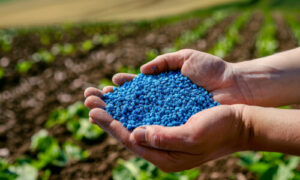 Understanding the different types of surfactants in agriculture is crucial for selecting the right product for specific applications.
Here are the main types:
- Nonionic surfactants: These are widely used for their versatility and compatibility with various chemicals. Nonionic surfactants like SprayFilm 10 and Silwet Organosilicone Adjuvant enhance spray efficiency.
- Anionic surfactants: Known for their negative charge, these surfactants work effectively in formulations such as fertilizers.
- Cationic surfactants: Positively charged surfactants, though less common in agriculture, are used sparingly in specific applications.
- Amphoteric surfactants: These carry both positive and negative charges, offering specialized benefits for unique farming needs.
Benefits of Surfactants in Agriculture
Surfactants provide a host of advantages that are indispensable for modern farming:
- Enhanced chemical performance: By improving adhesion, distribution, and penetration, surfactants make herbicides, pesticides, and fertilizers more effective.
- Reduction of chemical waste: Surfactants ensure that chemicals are utilized more efficiently, minimizing losses due to runoff or evaporation.
- Promotion of environmental sustainability: With better chemical efficiency, surfactants help lower the total amount of chemicals required, reducing pollution risks.
- Improved soil health: Surfactants contribute to better water retention and nutrient absorption, fostering healthier soils.
- Higher crop yields: Healthier plants supported by surfactant-enhanced solutions often result in better productivity.
For an overview of agricultural products that utilize surfactants, check out our product catalog.
Applications of Surfactants in Agriculture
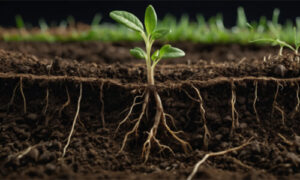 Surfactants find applications across a wide range of farming practices.
Some of the key uses include:
- Herbicides: Surfactants improve the efficacy of herbicides by ensuring they penetrate and adhere to weeds effectively. Learn more about herbicides here.
- Pesticides: Surfactants enhance the performance of pesticides by promoting even distribution across plant surfaces.
- Fertilizers: Incorporating surfactants in fertilizers aids in better nutrient delivery and uptake by crops.
- Soil conditioning: Surfactants improve water infiltration and retention in soils, supporting root growth and overall plant health.
- Spray drift management: Certain surfactants help reduce spray drift, ensuring chemicals reach their intended targets. Explore our spray drift management guide for more details.
Choosing the Right Surfactant for Your Needs
Choosing the right surfactant requires careful consideration of the specific application, chemical compatibility, and environmental factors. Popular options such as Wet-All Wetting and Sticking Adjuvant and HyperBoost SL Herbicide Adjuvant offer reliable solutions for agricultural needs.
It’s important to evaluate the efficiency, cost, and environmental impact when selecting surfactants. Additionally, consulting with agricultural experts can help you determine the best product for your unique farming challenges.
 Addressing Environmental Concerns
While surfactants offer numerous advantages, it’s essential to use them responsibly to mitigate potential environmental risks. Over-application or improper use can result in runoff that impacts nearby water bodies. Farmers are encouraged to adopt practices that balance chemical effectiveness with ecological preservation.
Case Studies and Success Stories
Across South Africa, surfactants have enabled farmers to achieve remarkable results. For instance, utilizing non-ionic surfactants in combination with herbicides has drastically reduced weed populations in maize and soybean fields, leading to higher yields. Additionally, soil conditioning agents incorporating surfactants have improved water retention, ensuring crops thrive even during dry spells.
Final Thoughts
Surfactants are transforming agriculture by enhancing chemical applications, promoting sustainability, and boosting productivity. By incorporating the right surfactants into your farming practices, you can optimize resource use, protect the environment, and achieve better crop yields. From herbicides to soil conditioners, the role of surfactants in agriculture is indispensable. Ready to explore more solutions? Visit our homepage for a wide array of agricultural innovations.