
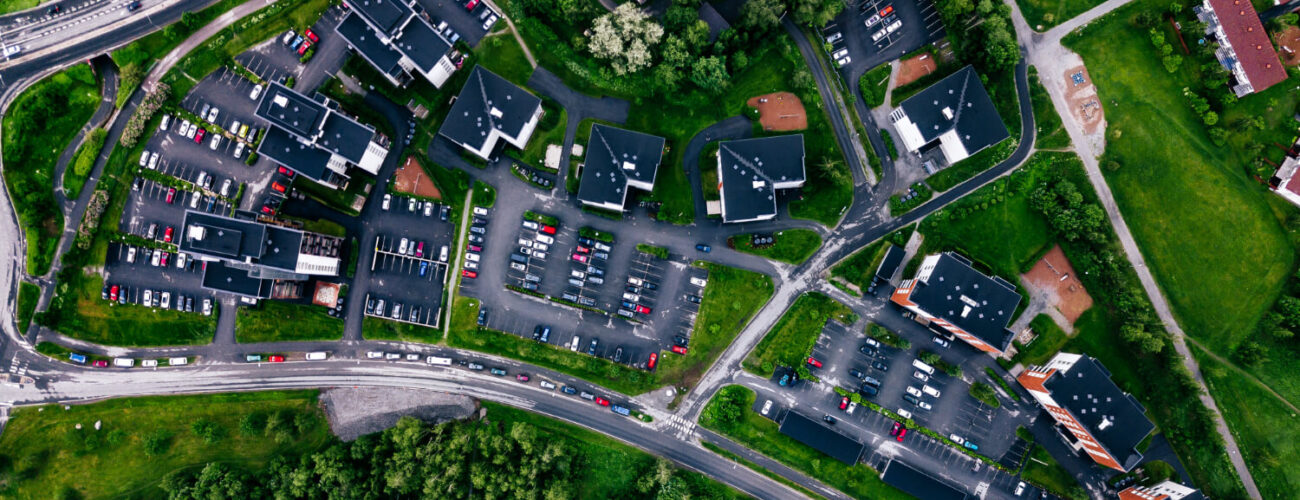
Why Herbicides Matter in Urban Landscapes
In today’s bustling urban environments, managing green spaces is more crucial than ever. With cities growing, maintaining parks, playgrounds, sidewalks, and other green areas requires careful planning and resources. One important aspect of this management is controlling unwanted plants and weeds that can disrupt the beauty and functionality of these spaces. Here is where the benefits of herbicides in urban areas come into play.
Herbicides, when used responsibly, serve as essential tools for city landscapers, environmental managers, and local government agencies. These products allow for effective weed control that maintains the aesthetic appeal of urban spaces while reducing the need for constant, labor-intensive maintenance. Moreover, the benefits of herbicides in urban areas extend beyond appearance—by helping to protect native plant species, they contribute to biodiversity and public safety.
In this post, we’ll explore the different types of herbicides, examine their advantages, and highlight the best practices for their safe application in urban settings. By understanding these benefits of herbicides in urban areas, cities can enjoy cleaner, safer, and more beautiful landscapes that everyone can appreciate.
Understanding Herbicides: A Quick Overview
To fully grasp the benefits of herbicides in urban areas, it’s helpful to understand what herbicides are and how they function. Herbicides are specialized chemical solutions designed to eliminate or inhibit the growth of unwanted plants, commonly referred to as weeds. These weeds can pose challenges in urban landscapes, competing with desired vegetation for resources, disrupting aesthetics, and sometimes creating safety hazards.
Definition of Herbicides
 Herbicides target specific plant processes to control unwanted growth effectively. Depending on the type and formulation, they can either kill weeds directly or suppress their ability to grow and spread. This targeted action makes herbicides highly effective for maintaining urban green spaces with minimal manual labor.
Types of Herbicides Used in Urban Areas
To maximize the benefits of herbicides in urban areas, understanding the types available can help ensure they’re used effectively and responsibly. Herbicides can generally be divided into the following categories:
- Selective vs. Non-Selective Herbicides
- Selective Herbicides target specific types of plants without harming others, making them ideal for areas with a mix of desired plants and weeds. For example, selective herbicides are often used on lawns to kill only broadleaf weeds, leaving the grass intact.
- Non-Selective Herbicides kill nearly any plant they contact, making them suitable for clearing areas completely, such as sidewalks, driveways, and construction zones.
- Pre-Emergent vs. Post-Emergent Herbicides
- Pre-Emergent Herbicides are applied before weeds germinate and are commonly used in the early stages of urban landscaping projects to prevent weed growth.
- Post-Emergent Herbicides are used after weeds have already appeared, targeting visible growth. This type is particularly useful for quick spot treatments on walkways and other high-visibility areas.
By selecting the appropriate herbicide type, urban landscapers and city managers can ensure effective weed control while minimizing harm to the surrounding environment and preserving the beauty of the area.
Benefits of Using Herbicides in Urban Areas
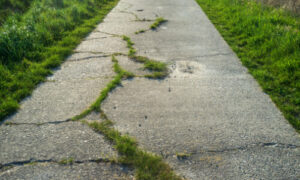 Using herbicides effectively provides numerous advantages for city landscapes, helping to create cleaner, safer, and more appealing spaces for the public. By understanding the benefits of herbicides in urban areas, city planners and landscapers can make informed decisions about managing green spaces sustainably.
Maintaining Public Green Spaces
Urban parks, recreation areas, and sidewalks are constantly exposed to various environmental factors that can encourage the growth of unwanted weeds. Herbicides offer an efficient way to manage these weeds, helping maintain clean, well-kept green spaces. By controlling invasive plants, herbicides help keep lawns, flowerbeds, and other urban landscapes looking their best with less frequent, labor-intensive maintenance.
Protecting Native Plant Species
Invasive weeds pose a serious threat to native plant species, often overtaking and crowding out local flora. Herbicides play a crucial role in protecting native plants by preventing the spread of aggressive weeds, supporting biodiversity within the city’s ecosystems. This protection is vital to preserving local wildlife habitats, as native plants often provide essential food and shelter for urban wildlife.
Improving Aesthetic Appeal
 One of the visible benefits of herbicides in urban areas is the enhanced beauty they bring to city landscapes. Weed control keeps gardens, parks, and roadside greenery looking vibrant and tidy, contributing to a more pleasant urban environment. This aesthetic improvement is not only visually pleasing but also promotes a positive community atmosphere.
Reducing Maintenance Costs
Managing weeds manually in urban spaces can be costly and time-consuming. Herbicides allow for efficient weed control, reducing the need for frequent manual labor and lowering maintenance costs for cities. With herbicides, city workers can cover large areas more quickly, ensuring that resources are allocated effectively.
Enhancing Public Safety
Overgrown weeds can pose safety hazards, especially in high-traffic areas like sidewalks, roadsides, and playgrounds. By eliminating these weeds, herbicides help keep these areas safe and accessible. This is particularly important for pedestrian pathways and roadsides, where overgrown plants could obscure visibility or cause tripping hazards.
Best Practices for Using Herbicides Safely in Urban Settings
While the benefits of herbicides in urban areas are significant, their safe and responsible use is essential to minimize environmental impact and ensure public health. Following best practices helps cities and landscapers maintain urban spaces effectively while protecting the surrounding ecosystem.
Proper Application Techniques
Using herbicides correctly is key to their effectiveness and safety. It’s important to follow manufacturer guidelines for application rates and equipment to avoid overuse. Excessive herbicide use can lead to runoff, impacting nearby plants and water sources. Proper techniques, like applying herbicides close to the target weeds and avoiding windy days, help prevent accidental drift that could harm surrounding vegetation.
Selecting the Right Herbicides
Choosing the appropriate type of herbicide is crucial for targeted weed control. For example, selective herbicides should be used in areas where other plants need protection, while non-selective herbicides are more suitable for areas requiring complete weed removal, like sidewalks or pavement cracks. Selecting the right product based on specific needs ensures effective weed management with minimal unintended effects.
Timing and Weather Considerations
Timing is a key factor in maximizing the benefits of herbicides in urban areas. Applying herbicides during calm, dry weather minimizes the risk of drift and runoff, ensuring the herbicide remains effective on the target weeds. For best results, consider the growth stage of the weeds—pre-emergent herbicides work best before weeds sprout, while post-emergent herbicides should be used once weeds are visible.
Protecting Nearby Water Sources
Herbicide runoff into water sources like rivers, lakes, and groundwater is a significant environmental concern in urban areas. To prevent contamination, avoid applying herbicides near storm drains, water bodies, and sloped areas where runoff is likely. Incorporating buffer zones near water sources or using eco-friendly herbicides further minimizes the impact on urban water systems, promoting a healthier city environment.
Challenges and Considerations of Herbicide Use in Urban Areas
Despite the benefits of herbicides in urban areas, their use comes with certain challenges that need to be addressed. Balancing the positive impacts of weed control with environmental and public health concerns is essential for responsible herbicide management.
Environmental Concerns
Herbicides can potentially harm non-target plants, soil quality, and urban wildlife if not used responsibly. For instance, some herbicides may persist in the environment, affecting beneficial plants and organisms. To mitigate these risks, city landscapers can use selective and biodegradable herbicides, which reduce long-term environmental impact and target only unwanted plants.
Public Health Impacts
Public health is a top priority when applying herbicides in populated areas. Concerns may arise about exposure to herbicide residues on playgrounds, sidewalks, and recreational areas. To minimize these risks, cities can enforce waiting periods between application and public access to treated areas, ensuring safety for residents and pets.
Legal Regulations and Compliance
Many regions have specific regulations governing herbicide use in urban settings. These rules may include restrictions on application methods, timing, and types of herbicides allowed. Compliance with these regulations not only ensures safety but also builds public trust. City managers should stay informed about local laws and consider adopting best practices that go beyond the minimum requirements for responsible herbicide use.
Alternatives to Herbicides: Integrated Weed Management
While the benefits of herbicides in urban areas are clear, exploring alternative weed control methods can further enhance environmental sustainability. Integrated Weed Management (IWM) combines multiple approaches to minimize herbicide dependency, providing effective and eco-friendly solutions for urban landscapes.
Mechanical and Manual Weed Control
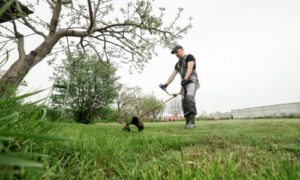 One of the simplest alternatives to herbicides is manual weed removal. Techniques like hand-pulling, hoeing, and mowing allow for targeted weed management without chemicals. Mechanical methods are especially useful in high-traffic areas, such as parks and playgrounds, where people and pets are more likely to be present. Though labor-intensive, manual weed control can be an excellent option for smaller areas or in combination with other methods.
Mulching and Ground Cover
Applying mulch around plants and in garden beds helps prevent weed growth by blocking sunlight and limiting weed seed germination. In addition to mulching, using ground cover plants can create a natural barrier against weeds, enhancing soil health and adding aesthetic appeal. These non-invasive ground cover plants provide a dense layer that discourages weeds while promoting a healthy urban ecosystem.
Biological Control Methods
Biological control involves using natural predators or organic solutions to manage weed growth. For example, certain insects, fungi, and bacteria can help reduce weed populations without the need for synthetic herbicides. Additionally, organic herbicides derived from natural ingredients like vinegar or essential oils can be used as safe, effective alternatives for targeted weed control.
By incorporating these practices, cities can reduce their reliance on chemical herbicides and create a balanced, resilient approach to weed management.
Conclusion: Balancing Herbicide Use for a Healthier Urban Environment
In urban landscapes, the effective management of weeds is essential for maintaining green spaces, supporting biodiversity, and ensuring public safety. As we’ve explored, the benefits of herbicides in urban areas are substantial, from enhancing the aesthetic appeal of city spaces to reducing maintenance costs and protecting native plants. However, balancing these benefits with environmental considerations and public health concerns is crucial for responsible urban management.
By adhering to best practices for herbicide application and exploring alternative methods like Integrated Weed Management, cities can achieve sustainable weed control that benefits both the community and the environment. In this way, urban planners and landscapers can maintain beautiful, accessible, and safe spaces that enhance the quality of life for all residents.
Q&A:
Are herbicides safe to use in public parks and playgrounds?
A: Yes, herbicides can be safe in public areas when applied responsibly and according to guidelines. By selecting the appropriate type of herbicide and following best practices—such as waiting periods after application and avoiding windy days to prevent drift—public exposure to residues can be minimized. Cities often have strict regulations in place to ensure the safe use of herbicides in public spaces.
What are the environmental risks of herbicides in urban settings?
A: While the benefits of herbicides in urban areas are clear, certain herbicides can pose environmental risks, such as contaminating water sources or affecting non-target plants and animals. To reduce these risks, landscapers are encouraged to use selective, biodegradable herbicides and to create buffer zones around water sources.
How can cities reduce their reliance on chemical herbicides?
A: Cities can adopt Integrated Weed Management (IWM) techniques that incorporate alternatives like manual weed removal, mulching, and biological control. These methods not only minimize chemical usage but also support healthier ecosystems by promoting biodiversity and reducing herbicide runoff.
Are there specific herbicides recommended for use in urban areas?
A: Yes, certain herbicides are formulated specifically for urban environments, with low toxicity levels and targeted action. Selective herbicides that affect only specific types of weeds are commonly recommended, as they help protect desirable plants and reduce the impact on the surrounding environment.
What are the most common types of herbicides used in urban landscaping?
A: The most commonly used herbicides in urban areas include selective herbicides for specific weed control, non-selective herbicides for clearing larger areas, and pre-emergent herbicides to prevent weed germination. Each type serves a different purpose, allowing for precise weed management based on the specific needs of each urban space.
Explore TWO STEP SC, a Residual Systemic Herbicide for Urban Areas.