
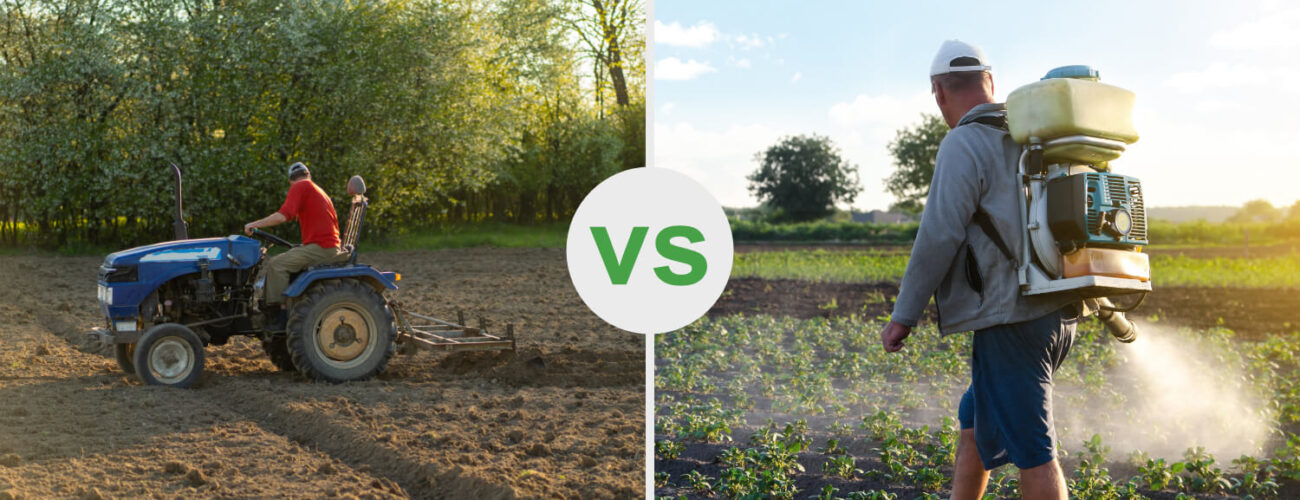
Chemical Solutions vs Traditional Pasture Management Cost Analysis: Which Wins?
Managing pastures is important for farmers. They need to keep their land healthy and productive. In this article, we’ll look at two ways to manage pastures: modern chemical solutions and traditional methods. We’ll compare their costs, benefits, environmental impact, and how well they work. This information will help farmers make good choices about how to take care of their land.
Key Takeaways: Sustainable Agriculture in South Africa
- Rotate crops to improve soil health and reduce pests
- Use water-efficient irrigation to save water
- Use integrated pest management to reduce chemical pesticides
- Practice conservation tillage to protect soil
- Plant cover crops to protect soil and add nutrients
- Use organic fertilizers and compost for natural soil health
- Try agroforestry to increase plant and animal variety
- Grow drought-resistant crops suited to South Africa’s climate
- Use precision agriculture to make the best use of resources
- Encourage natural predators to control pests
- Practice rotational grazing for livestock
- Collect and use rainwater efficiently
- Use mulch to keep soil moist and stop weeds
- Try intercropping to grow different plants together
- Use solar-powered farm equipment to reduce pollution


Farmers have been taking care of their land for a long time. They’ve come up with many ways to keep their pastures healthy. Now, science has given us new tools to help with this job. Chemical herbicides are one of these new tools. They can kill weeds quickly and easily. But traditional methods like mowing, rotating crops, and using natural ways to control pests are still useful. Both new and old methods have good points and challenges. We’ll look at both to help you understand how they work in farming today.
The Scoop on Modern Chemical Solutions
Chemical herbicides are a new way to deal with weeds on farms. Scientists have worked hard to make these special chemicals. They can kill weeds without hurting the crops farmers want to grow. There are many types of herbicides. Some can kill lots of different plants, while others only kill certain kinds of weeds. This helps farmers choose the right one for their needs.


Green Envirochem Solutions offers many herbicides. Each one is made to solve specific weed problems for farmers. Here are some of their products:
- LUMBERJACK® 360 SL: This herbicide is for grass pastures. It gets into the whole weed plant and kills it completely.
- SPRINGBOK 360 SL: This one kills many types of weeds, both yearly and long-living ones.
- VERSUS® SL: It’s made to kill weeds with wide leaves but not harm grass.
- SEISMIC®: This herbicide kills all plants in an area. It’s good for clearing land or preparing it for new planting.
The Old-School Way: Traditional Pasture Management
Traditional pasture management is about taking care of the land in natural ways. These methods have been used for a long time. They work with nature to keep pastures healthy. While they might not work as fast as chemicals, they can be good for the land in the long run. These methods help keep the soil healthy and support many types of plants and animals.
Mechanical Weed Control
Mechanical weed control means using physical ways to manage weeds. Farmers have been doing this for thousands of years. The goal is to stop weeds from growing and spreading seeds. Here are some ways to do this:
- Mowing: Cutting weeds down before they make seeds stops them from spreading. It also helps good plants grow better.
- Tilling: This means turning over the soil. It buries weed seeds and pulls up weed plants. It works well for weeds that only live for one year.
Cultural Practices
Cultural practices are ways of managing pastures that make it hard for weeds to grow. These methods work with nature and can help pastures stay healthy for a long time. Here are some examples:
- Crop rotation: This means changing what you grow in a field each year. It makes it hard for weeds to take over and helps keep the soil healthy.
- Grazing management: Using animals to eat plants in the pasture can help control weeds. Different animals like to eat different plants, so you can use them to target specific weed problems.
Biological Control
Biological control uses nature to manage weeds. It involves using insects or diseases that attack weeds but don’t hurt crops. This can be a safe way to control weeds without using chemicals. When it works well, it can keep weeds under control for a long time without much extra work.
Counting the Costs
When farmers choose between chemical and traditional methods, they need to think about how much each one costs. Both ways have different kinds of costs. Understanding these costs helps farmers make good choices that balance short-term expenses with long-term benefits.
Chemical vs Traditional Weed Control Costs
Chemical Solution Expenses
- Buying herbicides: These can be expensive, especially if you need special kinds.
- Special equipment for spraying: You might need to buy special machines to spray the herbicides.
- Labor costs: You need to pay people to apply the herbicides safely.
- Multiple applications: You might need to spray several times a year, which adds up.
Traditional Method Costs
- Labor hours: Traditional methods often need a lot of work hours for things like mowing and tilling.
- Equipment maintenance: The machines used for traditional methods need to be fixed and taken care of regularly.
- Planning time: Farmers need to spend time planning things like crop rotations and when to let animals graze.
What’s Good About Each Method?
Both chemical solutions and traditional methods have good points. Knowing these helps farmers decide which way is best for their farm.
Pros of Chemical Solutions

- Quick Action: Products like SCUBA 200 SL work fast. You can see results in just a few days.
- Precise Weed Control: VOLOXYPYR 200 EC can kill specific weeds without hurting other plants.
- Long-Lasting Effects: Some herbicides like IMPALA 480EC keep working for months after you use them.
Benefits of Traditional Methods
- Eco-Friendly: These methods are usually better for the environment. They don’t use chemicals that might harm insects or water.
- Soil Health: Traditional practices can make the soil healthier over time. This helps plants grow better in the long run.
- Less Chemical Dependence: By not using chemicals, farmers can save money and avoid problems like weeds becoming resistant to herbicides.
How Do They Affect the Environment?
It’s important to think about how pasture management affects the environment. Both chemical and traditional methods can change the ecosystem, but in different ways.
Chemical Herbicides and the Environment
- Might harm other living things: Even though herbicides are made to kill weeds, they can sometimes hurt insects or tiny organisms in the soil.
- Can pollute soil and water: If not used carefully, herbicides can get into the ground or water, which can be bad for plants and animals that live there.
Traditional Methods and Nature
- Help different plants and animals live together: Traditional practices often create places where many types of plants and animals can live.
- Keep nature balanced: These methods work with nature, which helps keep everything in balance. This can include helping good insects and keeping the soil healthy.
Crop Yields: Which Method Grows More?
| Product | Category | Main Benefit | Suitable For | Eco-Friendly |
|---|---|---|---|---|
| Envirochem Fertilizer | Crop Nutrition | Improves soil health | All crops | Yes |
| Weed-B-Gone | Herbicide | Effective weed control | Maize, wheat | Moderate |
| BioBoost | Biostimulant | Enhances plant growth | Vegetables, fruits | Yes |
| AquaClean | Water Treatment | Purifies irrigation water | All farming | Yes |
How much a farm grows is really important when deciding which method to use. Both chemical and traditional ways can affect how much crops grow, but in different ways.
Yields with Chemical Solutions
Chemical herbicides often help grow more crops in the short term because:
- They kill weeds quickly: This means crops don’t have to compete with weeds for water, food, and sunlight.
- Crops can grow without interruption: With fewer weeds, crops can grow stronger and produce more.
Yields with Traditional Management
Traditional methods might grow less at first but can be good in the long run:
- They make the soil healthier: Over time, practices like rotating crops can make the soil better, which can lead to better crops later on.
- Natural ways to boost growth: Some traditional practices, like planting different crops together, can naturally help the soil and make crops grow better over time.
Time and Work: Which is Easier?
Farmers need to think about how much time and work each method needs. This helps them choose the best way to manage their land while still getting everything else done.
Work Needed for Chemical Methods
- Quick to apply: Spraying herbicides usually takes less time than pulling weeds by hand.
- Might need to spray several times: Even though it’s quick each time, you might need to spray more than once during the growing season.
- Need to learn how to use safely: Farmers and workers need to learn how to use herbicides safely, which takes some time.
Labor for Traditional Methods
- Can take a lot of time: Things like pulling weeds by hand or using machines to turn the soil can take a long time, especially on big farms.
- Need to keep checking: Traditional methods often need farmers to keep an eye on things and make decisions based on what’s happening.
- Lots of physical work: Many traditional methods involve hard physical work, which can be tough for farmers and workers.
Following the Rules
No matter which method farmers choose, they need to follow rules to keep everyone and everything safe. Both chemical and traditional methods have rules to follow.
Rules for Using Chemicals
- Strict safety rules: There are lots of rules about how to store, handle, and use chemical herbicides safely.
- When and how to use: Many herbicides have specific instructions about when to use them and how to apply them.
Rules for Traditional Methods
- Might qualify for organic farming: Some traditional methods fit with organic farming rules, which could be good for selling crops.
- Fewer specific rules: While there aren’t as many strict rules for traditional methods, farmers still need to follow general rules about taking care of the land and water.
Mixing It Up: Using Both Methods

Many farmers are finding that using both chemical and traditional methods together works well. This balanced approach lets them deal with different weed problems while avoiding some of the downsides of using just one method. Here’s how this mixed approach usually works:
- Use herbicides only when needed: Instead of using chemicals everywhere, farmers use them only for tough weed problems.
- Use traditional methods too: Farmers also use old methods like rotating crops and using machines to control weeds. This helps keep the soil healthy and reduces how many weeds grow.
- Make herbicides work better: Products like HYPERBOOST SL help herbicides work better when farmers do need to use them. This means they might not need to use as much or use it as often.
Wrapping It Up: Which Way Is Best?
After looking at both chemical solutions and traditional methods for managing pastures, we can see that each has good points and challenges. Here’s what we found:
- Chemical herbicides work fast and well, especially for big weed problems. Green Envirochem offers products designed to target specific weed problems and provide long-lasting effectiveness.
- Traditional methods, while they might take more work, are good for the soil and the environment in the long run. These practices fit well with sustainable farming goals and can make pastures healthier over time.
- Using both methods together often works best. This lets farmers use the good parts of both approaches while avoiding some of the problems.
In the end, the best choice depends on many things specific to each farm. These include the type and size of the pasture, what kind of weed problems they have, local environment, rules they need to follow, and what the farmer wants to achieve in the long term. By thinking about all these things, farmers can come up with a plan that works best for their land.
To be successful in modern farming, it’s important to understand both chemical and traditional methods. Whether choosing advanced herbicides, tried-and-true traditional practices, or a mix of both, the main goal is to keep pastures healthy and productive for years to come. By staying informed about new developments in both chemical and traditional management techniques, and being flexible in their approach, farmers can keep their pastures healthy and productive as farming continues to change.