

When using herbicides, timing is everything! Understanding when and how to apply them can help you achieve the best results. In this seasonal granular herbicide timing guide, we’ll explore the best strategies for applying granular herbicides during winter and summer, focusing on South Africa’s unique seasons and climate. This guide will help you tackle weed problems effectively by adapting to seasonal variations, ensuring your herbicide application aligns with optimal conditions for maximum efficacy.
What Are Granular Herbicides?
Granular herbicides are tiny pellets used to control weeds. They’re easy to spread and work best when activated by moisture. Unlike liquid herbicides, they release their active ingredients gradually, making them ideal for long-term weed control. These pellets are particularly advantageous for areas requiring sustained weed suppression over extended periods, offering gardeners and farmers a practical solution for maintaining clean, weed-free spaces. Moreover, their ease of use makes them suitable for both small-scale and large-scale applications, ensuring versatility and effectiveness.
Why Timing Matters
Applying granular herbicides at the right time ensures they work effectively. Weather conditions, soil moisture, and weed growth patterns all play a role in deciding when to use them. Using this seasonal granular herbicide timing guide, you can maximize the efficiency of your herbicides while minimizing waste.
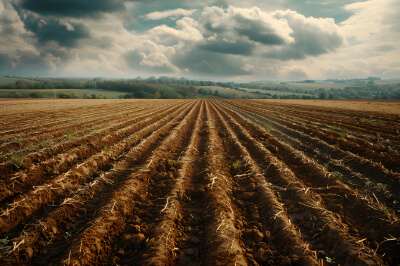
Winter Herbicide Application
When to Apply
- Timing: In South Africa, winter generally spans from May to August. During this season, growth slows down for most plants, including weeds.
- Ideal Conditions: Apply granular herbicides when the soil is moist from winter rains. This helps activate the herbicide and penetrate the soil effectively.
Benefits of Winter Application
- Targets weeds that germinate in colder conditions.
- Prepares your garden or farmland for the upcoming spring growing season.

Recommended Products
- Consider herbicides designed for residual weed control like Limpopo GG Long-Lasting Granular Herbicide or Kilo Non-Selective Granular Herbicide.
Summer Herbicide Application
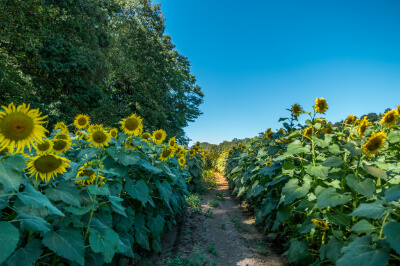
When to Apply
- Timing: South Africa’s summer lasts from November to February. This is when weeds grow rapidly due to warmer temperatures and seasonal rains.
- Ideal Conditions: Apply granular herbicides early in the morning or late afternoon to avoid heat evaporation and ensure proper activation by moisture.
Benefits of Summer Application
- Controls weeds that thrive in warm, wet conditions.
- Reduces competition for nutrients with your crops or garden plants.

Recommended Products
- Use products tailored for summer weeds like Springbok 360 Systemic Herbicide or Scuba Contact Herbicide for Aquatic Weeds.
Helpful Tips for Granular Herbicide Application
- Check the Weather: Avoid applying herbicides just before heavy rains, as they can wash away the granules.
- Use the Right Equipment: Spreaders help ensure even application.
- Follow Instructions: Always read the product label for specific guidance on timing and dosage.
Learn More About Herbicides
- Discover the Benefits of Herbicides in Urban Areas.
- Explore the differences between Residual and Non-Residual Herbicides.
FAQ To The Seasonal Granular Herbicide Timing Guide
1. Can I apply granular herbicides in early spring?
Yes, but it’s better to apply them in late winter to target early-germinating weeds.
2. What happens if I apply herbicides during a drought?
Herbicides need moisture to activate, so applying them during a drought is ineffective. Use this seasonal granular herbicide timing guide to plan around your local rainfall patterns.
3. Do granular herbicides harm beneficial plants?
When used as directed, they target weeds without harming desired plants. However, always follow the product instructions.
For more information, visit our blog or check out our contact page to speak with an expert. Happy gardening!