

Welcome to our guide on eco-friendly rodent control for commercial agriculture. Rodents can damage crops, buildings, and spread diseases, so controlling them is important. But we want to do this without harming the environment too much. In this article, we’ll look at 10 sustainable rodenticides to manage rodents on farms that work well but are safer for nature. We’ll cover different methods to give you options to protect your farm responsibly.
Key Takeaways:
- Sustainable rodenticides control pests while minimizing environmental impact
- Using a mix of chemical, biological, and physical methods works best
- Integrated Pest Management is key for long-term, sustainable rodent control
- Options range from targeted chemicals to innovative non-toxic alternatives
- Regular monitoring and adjusting strategies is important for best results
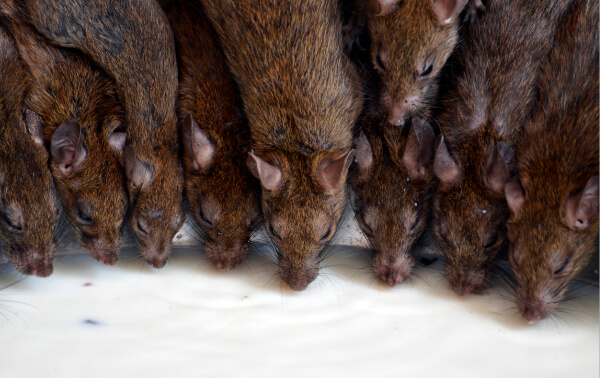
1. HYPERRAT: Powerful Zinc Phosphide Solution
First on our list is HYPERRAT, a strong rodenticide made to control gerbils on farms. HYPERRAT contains zinc phosphide, which makes it very effective against gerbils that can damage crops and farm buildings. It works especially well on Tatera species, sometimes called “Nagmuise” or “Springhaasrotte”, which are known for causing a lot of trouble on farms.
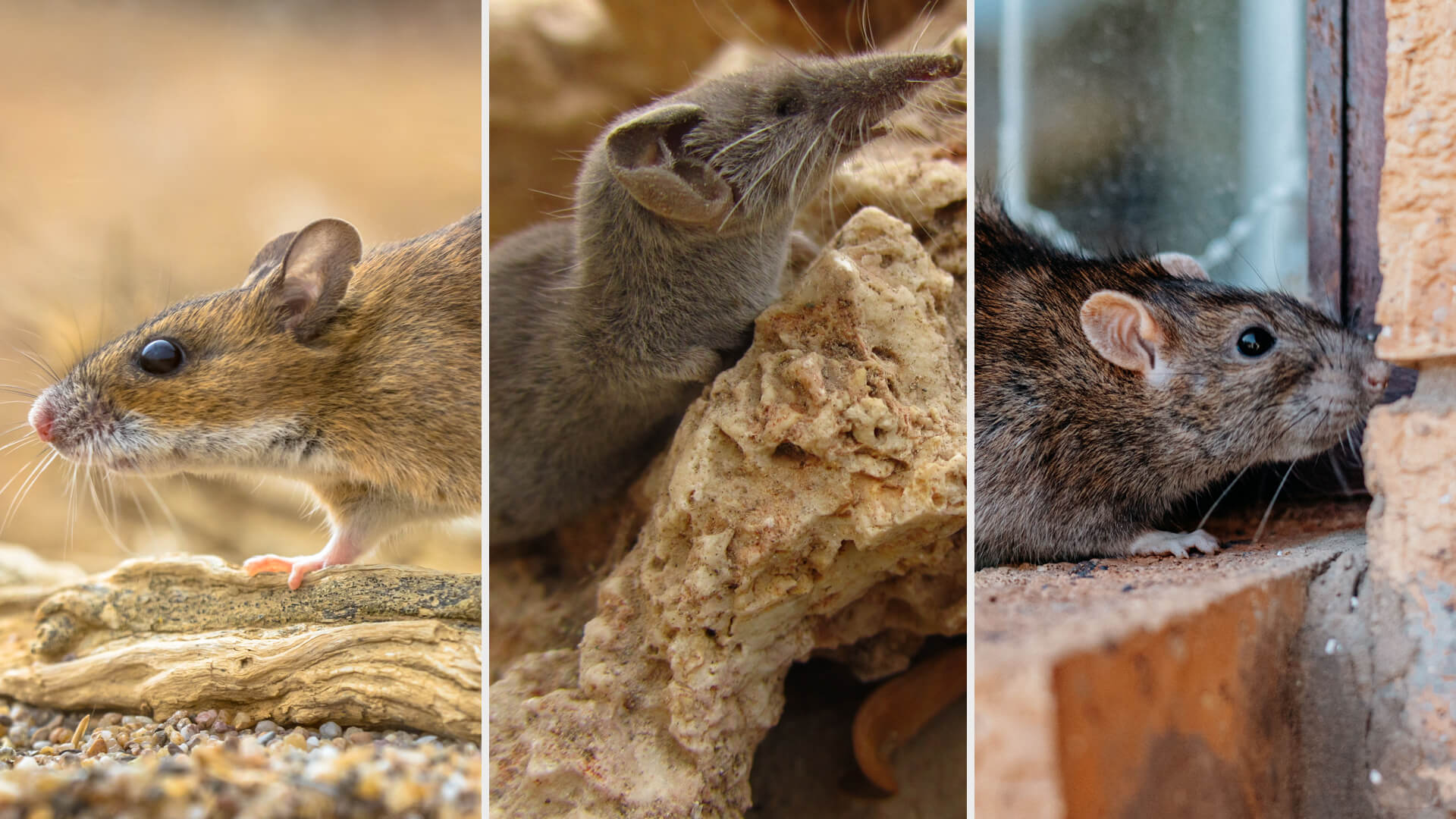
Key features of HYPERRAT include:
- Ready-to-use bait that’s easy to set out
- Very effective against specific pest gerbils
- Good for large farms, covering big areas
- Works quickly to reduce rodent numbers
- Designed to be safer for other animals when used correctly
HYPERRAT works well, but it’s important to use it carefully. Always follow the safety instructions, like wearing gloves and goggles, using a mask, and working in areas with good air flow. Using HYPERRAT properly helps it work best and keeps other animals and the environment safer. It’s a good idea to use HYPERRAT along with other ways of controlling pests for the best results on your farm.
2. Eco-Friendly Bait Stations
Sustainable rodent control isn’t just about what poison we use; it’s also about how we use it. Eco-friendly bait stations are a safer way to manage rodents on farms. They help put the rodent poison in specific places, which is better for the environment and other animals. These stations work well with different rodenticides, including strong ones like HYPERRAT, to control pests in a more responsible way.
These stations are designed to:
- Keep other animals from getting to the poison
- Stop the poison from spreading in the environment
- Protect the bait from rain and weather
- Make it easy to check and refill the bait
- Follow rules about using rodenticides in many places
Using eco-friendly bait stations helps farmers use rodenticides like HYPERRAT more safely. They can put these stations around farm buildings, fields, and storage areas to control rodents all over the farm. Bait stations also help farmers keep track of where rodents are active and how much bait they’re eating, so they can adjust their pest control plan as needed.
3. Natural Predator Attractants
Using nature’s own pest control is becoming more popular in sustainable farming. Natural predator attractants are products that bring in animals that naturally hunt rodents, like owls and hawks. By encouraging these hunters to come to the farm, farmers can create a natural way to keep rodent numbers down without relying only on chemicals.
Benefits of natural predator attractants include:
- No chemicals needed, which is good for organic farming
- Helps more kinds of animals live on the farm, which is good for the environment
- Provides long-term pest control that gets better over time
- Reduces the need for farmers to directly control pests
- Can teach visitors and the community about natural pest control
While not a complete solution on its own, natural predator attractants can be part of a bigger pest control plan. They work well with other eco-friendly methods. Farmers can set up nesting boxes for owls, put up perches for hawks, and keep some natural areas to support these predators. When used along with targeted use of rodenticides like HYPERRAT in problem areas, attracting natural predators can really help control rodents on farms in an environmentally friendly way.
4. Botanical-Based Repellents
Repellents made from plants offer a natural way to keep rodents away from farms. These products often use essential oils or plant extracts that rodents don’t like. They create areas that rodents want to avoid, helping to protect crops and farm buildings. Many plants have developed ways to keep animals from eating them over millions of years, and these repellents use those natural defenses.
Advantages of botanical-based repellents:
- Safe for people and pets
- Break down naturally without harming soil or water
- Can be used in organic farming
- Affect rodents through smell, taste, and sometimes touch
- Can be used with certain plants that naturally repel pests
While plant-based repellents might not be as strong as chemicals like HYPERRAT for big rodent problems, they can be part of a bigger plan to manage pests on farms in an eco-friendly way. These natural solutions work well around the edges of fields, near water, and in places where chemical use is limited. By using plant repellents along with other methods, farmers can create several layers of defense against rodents while being kind to the environment.
5. Ultrasonic Rodent Repellers
Technology is helping create new ways to control pests sustainably, and ultrasonic rodent repellers are a modern solution. These devices make high-pitched sounds that rodents don’t like but people and most pets can’t hear. This creates an area where rodents don’t want to be, without using chemicals or traps. Ultrasonic repellers are a good option for farms where you want to avoid using chemicals.
Key points about ultrasonic repellers:
- Don’t use chemicals, so there’s no worry about toxic leftovers
- Safe to use around crops and farm animals
- Can cover large areas on farms
- Often powered by solar panels or long-lasting batteries
- Can be set to target specific types of rodents common on farms
How well ultrasonic devices work can depend on things like the environment and what kind of rodents you have, but they offer a non-toxic option that’s especially useful in sensitive areas where you can’t use chemicals. For best results, use ultrasonic repellers as part of a bigger pest control plan. This might include changing the environment to make it less attractive to rodents and using targeted rodenticides like HYPERRAT in high-risk areas. By using several different methods to control rodents, farmers can manage pests more effectively and sustainably.
6. Biodegradable Tracking Powders
Biodegradable tracking powders are a new, eco-friendly way to help control rodents on farms. These powders are spread along paths where rodents might walk. They stick to the rodents’ feet and fur, letting farmers see where the rodents are going. This helps farmers find out exactly where the rodent problems are, so they can deal with them more effectively.
Benefits of biodegradable tracking powders:
- Safe for the environment and not toxic
- Help target rodent control by showing where rodents move
- Break down naturally without leaving harmful residues
- Can be used to check if other control methods are working
- Provide useful information for creating specific pest control plans
When used together with other methods, like HYPERRAT for gerbille control, biodegradable tracking powders can really improve how well rodent control works on farms. By finding areas where rodents are very active, farmers can place baits, traps, or repellents in the best spots. This targeted approach not only controls pests better but also supports sustainable farming by using fewer chemicals overall.
7. Sustainable Snap Traps
New designs have made snap traps more humane and sustainable for controlling rodents. These modern traps are made to catch rodents quickly and effectively. They’re built from strong, eco-friendly materials that last a long time and don’t create much waste.
Advantages of sustainable snap traps:
- Can be used many times, reducing waste and long-term costs
- Don’t use chemicals, so there’s no worry about contamination
- Only affect target pests, not other helpful animals
- Work quickly, allowing for fast removal of rodents to prevent disease spread
- Easy to check and maintain, showing clearly where rodents are active
Sustainable snap traps can be a great part of a bigger pest control plan, especially in areas where you can’t or don’t want to use chemicals. They work even better when used with natural baits or attractants that rodents like. Farmers can put these traps along paths where rodents often travel, near entry points, and in areas where there’s a lot of rodent activity. When used along with targeted rodenticides like HYPERRAT in areas with severe problems, sustainable snap traps provide a balanced, eco-friendly way to manage rodents on farms.
8. Rodent Birth Control Baits
A new way to manage rodent populations over time is using birth control baits. These special baits contain substances that make it harder for rodents to have babies, without hurting them. This is a kinder way to control pests that fits well with sustainable farming practices. Instead of killing rodents, it helps keep their numbers down over time.
Key features of rodent birth control baits:
- Don’t kill rodents, which some people prefer ethically
- Have little effect on other animals, helping keep farm ecosystems healthy
- Work over a long time to reduce rodent populations
- Less risk of accidentally poisoning predators or scavengers
- Can be used with other pest control methods for better results
While this method might take longer to show results compared to traditional rodenticides like HYPERRAT, it offers a sustainable solution for ongoing rodent management on farms. Birth control baits are especially useful in areas where you don’t need to reduce rodent numbers quickly, or as a follow-up after using other control methods. By slowly reducing how many babies rodents have, these baits help keep pest numbers at a manageable level without needing constant intervention, supporting long-term, sustainable farming practices.
9. Pheromone-Based Attractants
Pheromone-based attractants are a smart way to control rodents using their own communication system. These products copy the scents rodents use to mark their territory, find mates, and talk to each other. This attracts rodents to traps or monitoring stations. By using these natural behaviors, pheromone attractants offer a very targeted and efficient method of rodent management on farms.
Benefits of pheromone-based attractants:
- Work specifically on target rodent species, not affecting other animals much
- Non-toxic and safe for the environment, fitting well with sustainable farming
- Can make other control methods work better by attracting more rodents to traps or bait stations
- Useful for checking rodent populations and activity patterns
- Can work for a long time, as pheromones stay active for extended periods
When used with eco-friendly traps or monitoring systems, pheromone-based attractants can really improve how well rodent control works on farms. They’re especially valuable as part of a bigger pest management plan, where they can be used to draw rodents away from sensitive areas or into zones where other control measures are in place. For example, pheromone attractants can be used to guide rodents towards areas treated with HYPERRAT or other targeted rodenticides, making pest control more effective while using less chemical agents.
10. Integrated Barrier Systems
The last item on our list of sustainable rodenticides is the integrated barrier system approach. This comprehensive method combines physical barriers with eco-friendly deterrents to create a multi-layered strategy to keep rodents out. Integrated barrier systems focus on preventing rodents from entering and settling in an area, rather than just reacting to infestations.
Components of integrated barrier systems:
- Physical barriers (like fine mesh, sealants, and rodent-proof materials) to block entry points
- Materials infused with repellents that discourage rodents from trying to get through barriers
- Smart monitoring technologies to detect and alert to any breach attempts
- Landscaping designed to make the area less suitable for rodents near buildings
- Integration with other control methods for comprehensive protection
By creating multiple layers of defense against rodents, integrated barrier systems offer long-term protection for farm buildings while reducing the need for chemical treatments. This approach works particularly well for protecting storage areas, processing facilities, and other important farm buildings. When combined with targeted use of rodenticides like HYPERRAT for outdoor areas, integrated barrier systems provide a comprehensive, sustainable solution for rodent control in commercial agriculture.
Implementing a Sustainable Rodent Control Program
To effectively use these sustainable rodenticides on farms, it’s important to use an Integrated Pest Management (IPM) approach. This strategy combines multiple control methods to get the best results while minimizing environmental impact. IPM recognizes that no single method is perfect for all situations and that a combination of approaches, tailored to specific farm contexts, is most effective for long-term pest management.
Key steps in implementing a sustainable rodent control program:
- Thoroughly check for rodent activity and entry points, including detailed mapping of problem areas
- Implement preventive measures, such as proper cleaning, secure food storage, and changing the environment to make it less attractive to rodents
- Choose a combination of eco-friendly control methods suited to your specific situation, considering factors like crop type, local ecosystem, and rules and regulations
- Regularly monitor and evaluate how well your chosen strategies are working, using methods like tracking powders and smart monitoring systems
- Adjust your approach as needed based on results and changing conditions, staying flexible and responsive to new challenges
- Educate farm staff on sustainable pest management practices and the importance of consistent implementation
- Work with local agricultural extension services and pest control experts for ongoing support and updates on best practices
Remember, sustainable rodent control is an ongoing process that requires patience, adaptability, and a commitment to environmental stewardship. By combining methods like HYPERRAT for targeted gerbille control with other eco-friendly solutions such as predator attractants, botanical repellents, and integrated barrier systems, you can achieve effective pest management while protecting the environment and non-target species. This comprehensive approach not only addresses immediate rodent issues but also contributes to the long-term health and sustainability of your farm.
Conclusion
As we’ve seen in this guide, there are many sustainable rodenticide options available for farms, each with its own benefits and uses. From strong but targeted solutions like HYPERRAT to new approaches like pheromone-based attractants and integrated barrier systems, farmers have many tools to choose from for eco-friendly rodent control. These sustainable methods not only protect crops and buildings but also help keep farm ecosystems healthy.
By using these sustainable methods and embracing an Integrated Pest Management approach, we can effectively manage rodent populations while minimizing environmental impact. This strategy not only protects our crops and livestock now but also helps keep our farms healthy and productive for the future. Sustainable rodent control is an investment in the future of farming, ensuring that our agricultural practices remain productive, environmentally responsible, and economically viable for years to come.
Remember, the key to successful sustainable rodent control is understanding your specific pest challenges, choosing the right combination of methods, and consistently monitoring and adjusting your approach. It requires a commitment to ongoing learning and adaptation, as pest pressures and environmental conditions can change over time. By staying informed about the latest developments in sustainable pest management and being willing to try new things, farmers can stay ahead of rodent challenges while maintaining their commitment to environmental stewardship.
For more information on sustainable pest management solutions, including our range of eco-friendly rodenticides, feel free to explore our product catalog or contact our team of experts. Our specialists are ready to help you develop a customized, sustainable rodent control program that meets the unique needs of your farm. Together, we can create a more sustainable future for farming, balancing effective pest management with environmental responsibility and long-term agricultural sustainability.