

Pesticides play a crucial role in modern agriculture, public health, and pest control by helping to protect crops, prevent disease outbreaks, and manage invasive species. They contribute to higher food production, reduced crop losses, and improved food security worldwide. Whether you are a farmer seeking effective pest management solutions, a gardener aiming to protect your plants, or a consumer concerned about food safety and environmental impact, understanding the different types of pesticides, their benefits, potential risks, and sustainable alternatives is essential. This guide will cover everything you need to know about pesticides, how they work, their role in various industries, and their overall impact on human health and the environment.
What Are Pesticides?
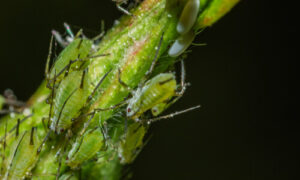 A pesticide is any substance or mixture used to prevent, destroy, or repel pests. Pests can include insects, weeds, fungi, rodents, and other organisms that may harm crops, human health, or the environment.
The use of pest control dates back thousands of years, with ancient civilizations utilizing natural compounds like sulfur and plant extracts to deter pests. Today, modern products are formulated to be more effective, targeted, and safe when used correctly.
Types of Pesticides
- Insecticides – Target insects and other arthropods.
- Herbicides – Control unwanted plants and weeds. Learn more about herbicides here.
- Fungicides – Used to combat fungal infections on plants.
- Rodenticides – Designed to eliminate rodents. Check out sustainable rodenticides.
- Bactericides – Used to kill bacteria in agricultural settings.
- Nematicides – Specifically target nematodes (microscopic worms) that harm plant roots.
- Miticides – Control mites that damage crops.
How It Works
Pesticides work by targeting specific biological mechanisms in pests. Some disrupt nervous systems, while others interfere with reproduction or growth cycles.
Depending on their mode of action, pest control products can be classified as:
- Contact pesticides – Kill pests upon direct contact.
- Systemic pesticides – Absorbed by plants and spread throughout their tissues.
- Residual pesticides – Remain effective for extended periods. Read more about residual vs. non-residual herbicides.
- Biopesticides – Derived from natural materials such as plants, bacteria, or fungi.
 Benefits of Using Pesticides
- Protect crops from pests, improving agricultural yield.
- Prevent the spread of diseases carried by insects and rodents.
- Ensure food security by reducing crop loss.
- Control invasive plant species in urban and rural environments. See the best herbicides for urban areas.
- Help maintain the economic stability of farms by preventing crop damage.
- Reduce labor costs by minimizing the need for manual pest removal.
Environmental and Health Concerns
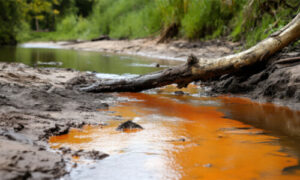 While pets control products provide significant advantages, improper use can lead to adverse effects, including:
- Soil and water contamination.
- Harm to non-target species, including pollinators.
- Pesticide resistance among pests.
- Potential health risks such as respiratory issues and skin irritation.
- Bioaccumulation in food chains, impacting wildlife and humans.
Sustainable Pest Management Strategies
Reducing dependency on chemical pesticides can help protect the environment and human health.
Consider the following alternatives:
- Biological control – Using natural predators to control pests.
- Crop rotation – Prevents pest infestations by varying plant species.
- Integrated pest management (IPM) – Combines multiple pest control methods for a balanced approach.
- Using adjuvants – Improve pesticide effectiveness while minimizing environmental impact. Learn more about adjuvants in agriculture.
- Organic farming – Utilizes natural alternatives such as neem oil, diatomaceous earth, and compost-based fertilizers.
 Regulations and Safe Usage
It is important to follow guidelines and regulations when using pest control products.
Here are key considerations:
- Read and follow label instructions.
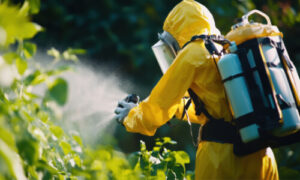
- Wear protective clothing and equipment.
- Use the recommended dosage to prevent environmental damage.
- Store and dispose of pesticides properly.
- Check out spray drift management tips.
- Ensure compliance with local and international pesticide regulations.
Final Thoughts
Pesticides are essential tools for agriculture and pest management, but they must be used responsibly. Understanding their benefits, risks, and sustainable alternatives ensures safer applications for humans and the environment. If you’re looking for eco-friendly pest control solutions, check out our range of products. For more information, visit our blog or contact us.