

Rodents can pose a serious threat to both homes and businesses, making the need for effective solutions critical. Rodenticides are an essential tool in pest management, offering a way to control and eliminate these unwelcome visitors. This article explores everything you need to know about rodenticides, from their types and applications to the best practices and environmental considerations associated with their use. By the end, you’ll have the knowledge needed to make informed decisions about the best solutions for your situation.
The Role of Rodenticides in Pest Control
Rodents such as rats and mice are notorious for their ability to adapt to various environments. They are carriers of diseases, destroy food supplies, and can cause structural damage to properties. This makes pest control a critical component of maintaining public health and safety. Rodenticides serve as a powerful tool in combating these pests, providing a targeted approach to manage infestations.
When used responsibly, this pesticide can significantly reduce rodent populations, preventing costly damage and the spread of harmful pathogens. Learn more about other pest control measures on our blog.
What Are Rodenticides?
These pesticides are chemical agents specifically formulated to kill rodents. These substances come in various forms, including baits, powders, and liquids, making them versatile for different applications. They are commonly used in both residential and commercial settings to address infestations and maintain hygiene standards.
In addition to their widespread use in urban areas, rodenticides also play a role in agriculture, where they protect crops and stored grains. Discover the environmental benefits of pest control in urban areas in our article on the benefits of herbicides.
Types and Their Mechanisms
 Understanding the different types of rodenticides is essential for selecting the right solution for your pest control needs.
Here are the main categories:
- Anticoagulant Rodenticides: These substances inhibit the clotting of blood, leading to internal bleeding in rodents. They are among the most commonly used due to their delayed action, allowing rodents to consume a lethal dose without immediate effects.
- Non-anticoagulant Rodenticides: This category includes agents like bromethalin, which affects the nervous system, and cholecalciferol, which disrupts calcium levels in the body, leading to organ failure.
- Natural Rodenticides: For those seeking eco-friendly alternatives, natural pesticides offer a sustainable option. Explore some of the best sustainable rodenticides available on the market.
How to Choose the Right Rodenticide
Selecting the most effective product depends on several factors, including the type of rodent, the severity of the infestation, and the specific environment.
Here are some tips to help you make the best choice:
- Identify the type of rodent: Different species may require different types of pesticides for optimal control.
- Consider the environment: For urban areas, indoor-safe formulations are recommended, whereas outdoor settings may require weather-resistant options.
- Evaluate safety measures: Choose products that minimize risks to non-target animals and humans. For expert advice, visit our Contact Us page.
Application Techniques for Maximum Effectiveness
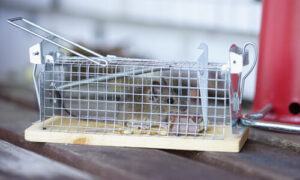 Proper application of rodenticides is critical to achieving the desired results.
Follow these guidelines to ensure effective use:
Indoor Use:
- Place bait in high-activity areas, such as behind appliances, in basements, and along walls where rodents travel.
- Use tamper-resistant bait stations to prevent accidental ingestion by children or pets.
- Regularly inspect and replenish baits as needed.
Outdoor Use:
- Secure bait in areas protected from the elements to prevent degradation.
- Monitor for signs of rodent activity to strategically place bait stations.
- Follow local regulations regarding the use of rodenticides in outdoor environments.
Minimizing Environmental Impact
While rodenticides are effective, their use can have unintended consequences on the environment.
Responsible usage practices can help mitigate these impacts:
- Choose products with reduced toxicity to non-target species.
- Implement integrated pest management strategies to minimize reliance on chemical controls.
- Dispose of unused pesticides and packaging according to local guidelines.
Safety Considerations
 The use of rodenticides requires strict adherence to safety protocols to protect both humans and animals.
Key safety tips include:
- Always wear protective gloves when handling pesticides.
- Store rodenticides in locked cabinets, out of reach of children and pets.
- Follow the manufacturer’s instructions for proper use and disposal.
Exploring the Full Range of Solutions
If you’re looking for specialized rodenticides or pest control products, browse our extensive selection on the all products page. From natural options to advanced formulations, we have solutions tailored to various needs.
Final Thoughts
Effective rodent control starts with choosing the right tools and strategies. Rodenticides remain a vital component of pest management, offering solutions that are both versatile and reliable. By considering environmental and safety aspects, you can implement a responsible and effective pest control plan. For more information, visit our blog.