

Temperature plays a crucial role in maintaining the quality and effectiveness of agricultural adjuvants. These products, which enhance the performance of herbicides, fungicides, and pesticides, are sensitive to environmental conditions, particularly temperature fluctuations. Without proper storage, adjuvants can degrade, leading to reduced efficacy and financial loss. This guide explores the best practices for temperature control adjuvant storage, including tips for specific products like Wet All and Silwet, and common pitfalls to avoid. Whether you’re a farmer, distributor, or retailer, understanding how to store adjuvants correctly can significantly impact agricultural productivity.
Table of Contents
1. Why Temperature Control Matters
2. The Impact of Improper Storage
5. Preserving Specific Adjuvants: Wet All and Silwet
7. Importance of Following Label Guidelines
1. Why Temperature Control Matters
Adjuvants are designed to improve the efficacy of agricultural chemicals by enhancing their spreading, sticking, and penetration capabilities. However, these functions are heavily influenced by the chemical stability of the product. Temperature fluctuations can compromise this stability, resulting in:
- Reduced efficacy: Heat or cold can cause chemical degradation, rendering the product less effective.
- Altered physical properties: Extreme temperatures may lead to crystallization, separation, or thickening.
- Shortened shelf life: Poor storage conditions can reduce the lifespan of the product, leading to waste.
Maintaining a consistent and controlled storage environment is essential to preserving the quality and functionality of these valuable agricultural tools.
2. The Impact of Improper Storage
 Improper storage of adjuvants can have far-reaching consequences, not just for the product itself but also for agricultural operations as a whole. Here are some of the key impacts:
2.1 Financial Loss
When adjuvants degrade due to improper storage, they must often be replaced, leading to unnecessary expenses. Additionally, the inefficacy of compromised products can result in wasted herbicides, pesticides, or fertilizers.
2.2 Environmental Concerns
Using degraded adjuvants may lead to over-application of agricultural chemicals as farmers attempt to compensate for reduced efficacy. This can increase environmental pollution and harm surrounding ecosystems.
2.3 Crop Yield Reduction
Without effective adjuvants, herbicides and pesticides may not perform as intended, resulting in lower crop yields and reduced agricultural productivity.
3. Optimal Storage Conditions
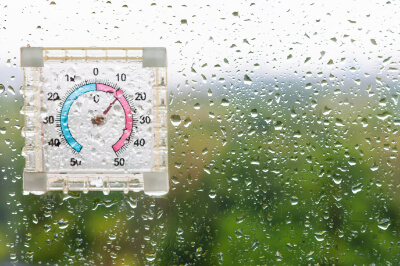 To ensure the longevity and effectiveness of adjuvants, proper storage is critical. Below are the key factors to consider:
3.1 Temperature Range
Adjuvants should be stored in a temperature range of 10°C to 25°C. Temperatures outside this range can cause irreversible damage to the chemical composition of the product.
3.2 Humidity Control
High humidity can lead to condensation within containers, potentially affecting the product’s stability. Store adjuvants in a dry environment to minimize this risk.
3.3 Proper Ventilation
Ensure that the storage area is well-ventilated to prevent the buildup of fumes or heat. Good air circulation helps maintain a stable environment for the products.
3.4 Storage Containers
Always store adjuvants in their original containers, which are specifically designed to protect the product. Make sure the lids are tightly sealed to prevent contamination.
4. Common Mistakes to Avoid
Many users unknowingly compromise the quality of their adjuvants through improper storage practices. Here are some mistakes to watch out for:
- Leaving containers exposed to sunlight: Direct sunlight can heat the contents, causing chemical degradation.
- Storing products near heat sources: Avoid placing adjuvants near heaters, stoves, or other heat-emitting equipment.
- Ignoring expiration dates: Using expired products can lead to inconsistent results or failure.
- Mixing incompatible chemicals: Store different types of chemicals separately to prevent accidental reactions.
5. Preserving Specific Adjuvants: Wet All and Silwet
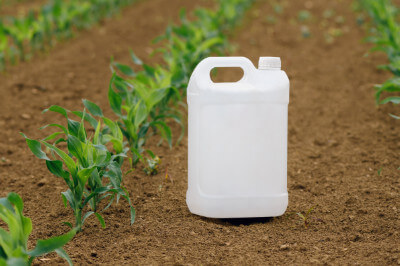 Let’s take a closer look at two popular adjuvants and their storage requirements:
5.1 Wet All
Wet All, a wetting and sticking adjuvant, is particularly sensitive to heat. Here’s how to store it:
- Keep in a shaded, cool area with consistent temperatures below 30°C.
- Avoid freezing conditions, which can lead to separation.
5.2 Silwet
Silwet, a non-ionic organosilicone adjuvant, requires stable storage conditions for optimal performance. Follow these tips:
- Store in temperatures between 10°C and 25°C.
- Protect from direct sunlight and high humidity.
Visit the Silwet page for additional details.
6. Advanced Solutions for Temperature Control Adjuvant Storage
For large-scale operations or distributors, consider implementing advanced storage solutions:
6.1 Climate-Controlled Warehouses
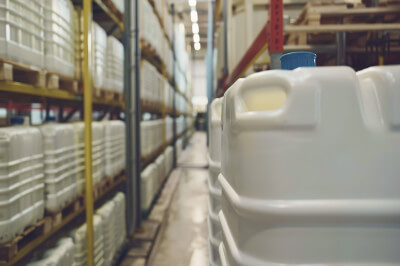 Investing in climate-controlled storage facilities ensures a stable environment for adjuvants, protecting them from temperature and humidity fluctuations.
6.2 Automated Monitoring Systems
Modern technology allows for real-time monitoring of storage conditions. Sensors can detect changes in temperature or humidity, triggering alerts to prevent damage.
6.3 Specialized Storage Racks
Use racks designed for chemical storage to organize products efficiently and safely.
7. Importance of Following Label Guidelines
Every adjuvant comes with specific storage instructions outlined on the label. These guidelines are based on extensive testing to ensure product stability. Always adhere to the manufacturer’s recommendations to maximize the shelf life and efficacy of your adjuvants.
8. Frequently Asked Questions
1. Why is temperature control crucial for adjuvants?
Temperature control prevents chemical degradation, preserving the efficacy and longevity of the product.
2. What happens if an adjuvant freezes?
Freezing can cause separation or crystallization, rendering the product unusable.
3. Can I store adjuvants in a garage or shed?
It’s not recommended due to temperature fluctuations. Opt for a stable indoor environment.
4. How can I tell if an adjuvant is compromised?
Signs of degradation include changes in color, texture, or odor. Check the product label for guidance.
9. Conclusion
Proper temperature control adjuvant storage is essential for maintaining the quality and effectiveness of agricultural products. By following the guidelines outlined in this article, you can protect your investment and ensure optimal performance in the field. For more information or product inquiries, contact us today!