
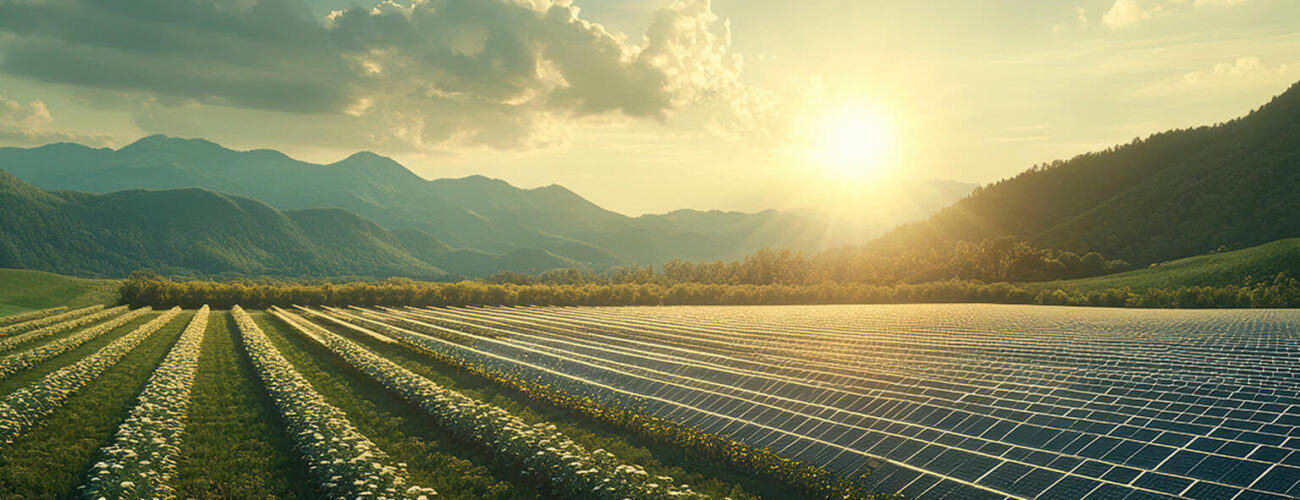
The growth of solar energy brings with it a responsibility to maintain these energy-producing landscapes in a way that respects the environment. Solar farms, while vital for renewable energy, often cover large areas of land. The efficient operation of these facilities relies on keeping vegetation under control, preventing shading of solar panels, and ensuring access for maintenance. However, traditional methods of vegetation control can sometimes pose risks to surrounding ecosystems, soil health, and water quality. This guide will explore the importance of eco-friendly vegetation management for solar installations, focusing on sustainable weed control methods and highlighting products that support these goals, such as Springbok and Astra 360 SL.
As solar energy continues its expansion across various landscapes, the need for effective and responsible land stewardship alongside these installations becomes increasingly important. Solar farms, by their very nature, occupy significant tracts of land, transforming diverse terrains into energy-generating hubs. The goal is clear: maximize energy output. A critical factor in reaching this goal is maintaining clear, unobstructed solar panels. Vegetation, if left unchecked, can quickly grow to shade panels, drastically reducing their efficiency. Beyond shading, overgrown vegetation can also create fire hazards, obstruct access for personnel performing routine checks or repairs, and even provide habitat for pests that could damage equipment. Therefore, managing the plant life around and under solar arrays is not just about aesthetics; it’s a fundamental operational requirement.
 Historically, vegetation management might have involved methods that, while effective in the short term, brought with them a host of environmental concerns. These could range from widespread use of broad-spectrum herbicides that affect non-target plants and biodiversity, to mechanical methods that disturb soil structure and contribute to erosion. The environmental footprint of these practices can be substantial, impacting local flora and fauna, water bodies, and even the air quality. Our understanding of ecological systems has deepened considerably, leading to a broader recognition of the interconnectedness of all elements within an ecosystem. This knowledge drives a shift towards practices that minimize harm and promote the overall health of the environment surrounding solar farms. The focus is now firmly on eco-friendly vegetation management – approaches that allow solar energy production to coexist harmoniously with nature.
The concept of eco-friendly vegetation management is about achieving the necessary control over unwanted plant growth without compromising the ecological integrity of the site. This involves a thoughtful selection of methods and products that are effective against target weeds but have minimal impact on desirable plants, pollinators, and the broader ecosystem. It’s about looking at the long-term health of the land, considering soil vitality, water conservation, and the promotion of biodiversity. For solar farm operators, embracing these sustainable practices is not just an environmental imperative; it’s also a smart business decision. Environmentally responsible practices can lead to better public relations, compliance with stricter environmental regulations, and in some cases, even operational efficiencies through reduced resource consumption and long-term site stability. This comprehensive guide will explore the various facets of this approach, providing actionable insights and highlighting solutions designed to meet these important objectives.
The Environmental Imperative: Why Sustainable Vegetation Management Matters for Solar Farms
The transition to renewable energy sources, such as solar power, is a vital step in addressing climate change. However, the environmental benefits of solar energy should not come at the cost of local ecological degradation. Sustainable vegetation management practices ensure that solar farms contribute positively to the environment in every aspect of their operation.
Protecting Biodiversity
- Solar farms often occupy agricultural land or natural areas. Traditional methods of vegetation control, particularly non-selective herbicides, can eliminate beneficial plants, disrupt pollinator habitats, and affect wildlife corridors.
- Eco-friendly vegetation management seeks to preserve or even enhance biodiversity by allowing native, low-growing vegetation to thrive, creating diverse habitats.
Soil Health and Erosion Control
- Repeated mechanical clearing can compact soil, reduce organic matter, and increase erosion, especially on sloped sites.
- Chemical run-off from non-targeted herbicide application can contaminate soil and water sources.
- Sustainable methods help maintain healthy soil structure, prevent erosion, and promote water infiltration, contributing to the long-term health of the site.
Water Quality Preservation
- The improper use of chemical controls can lead to herbicides leaching into groundwater or running off into surface water, harming aquatic life and potentially contaminating drinking water sources.
- Choosing targeted, low-impact products and application methods minimizes the risk of water contamination.
 Reduced Carbon Footprint
- Frequent mowing with fossil fuel-powered machinery contributes to carbon emissions.
- Adopting methods that reduce the need for frequent mechanical intervention or rely on biological solutions can lower the carbon footprint of solar farm operations.
Compliance and Public Perception
- Environmental regulations are becoming stricter, and companies are increasingly held accountable for their ecological impact. Adopting sustainable practices helps ensure compliance.
- Public perception of solar farms is also influenced by their environmental stewardship. Demonstrating a commitment to eco-friendly vegetation management can improve community relations and acceptance of solar projects.
Understanding the Challenges of Vegetation Management in Solar Farms
Managing vegetation on solar farms presents unique challenges that distinguish it from other forms of land management. These challenges require careful consideration when designing and implementing an eco-friendly vegetation management plan.
Shading of Panels
- This is the most direct and significant impact of uncontrolled vegetation. Even small amounts of shade can drastically reduce the power output of solar panels, leading to substantial energy loss.
- The angle of the sun changes throughout the day and year, meaning vegetation that might not shade panels at one time could do so at another.
Fire Risk
- Dry, overgrown vegetation can become a significant fire hazard, especially in arid or semi-arid regions. Fires can damage expensive solar infrastructure and pose risks to surrounding areas.
- Electrical components within the solar array can also be ignition sources if not properly maintained and cleared of flammable materials.
Operational Access and Maintenance
- Dense vegetation can hinder access for inspection, maintenance, and repair work, increasing operational costs and potentially delaying critical interventions.
- It can also obscure structural components, making it difficult to spot potential issues.
 Pest Habitat
- Tall grasses and weeds can provide shelter for rodents and other pests that can gnaw on cables, damage insulation, or create nests within electrical equipment, causing faults and outages.
- For information on managing pests sustainably, you can refer to our guide on best sustainable rodenticides.
Weed Species Variety
- Solar farms can attract a wide variety of weed species, including aggressive invasives that outcompete desirable vegetation and are difficult to control.
- Different weed types respond differently to various control methods, requiring a nuanced approach.
Site-Specific Conditions
- The soil type, climate, topography, and existing vegetation vary significantly from one solar farm to another. A successful management plan must be tailored to these specific conditions.
- For example, a site with poor drainage might require different considerations for vegetation than a well-drained site.
Cost and Efficiency
- Any management strategy must be cost-effective and efficient, balancing environmental goals with economic viability.
- The sheer scale of many solar farms means that manual weeding is often impractical, and even targeted chemical applications require careful planning to optimize resource use.
Pillars of Eco-friendly Vegetation Management for Solar Farms
An effective eco-friendly vegetation management strategy for solar farms integrates multiple approaches, prioritizing sustainability while ensuring operational efficiency. It’s about creating a harmonious balance between the need for clear ground and the preservation of natural ecosystems.
1. Integrated Vegetation Management (IVM) Principles
 IVM is a holistic approach that combines various control methods to achieve long-term, sustainable vegetation management. It emphasizes understanding the ecology of the site and using the least impactful methods first.
The steps generally involve:
- Assessment: Identifying the specific weed species present, their growth patterns, and the environmental sensitivities of the site.
- Prevention: Measures like using weed-free fill material during construction, designing landscapes that deter weed growth, and establishing a healthy desirable plant cover to outcompete weeds.
- Monitoring: Regular inspections to identify new weed infestations early and assess the effectiveness of control measures.
- Action: Implementing a combination of control methods tailored to the specific situation.
- Evaluation: Reviewing the success of the plan and making adjustments as needed.
2. Mechanical Control Methods
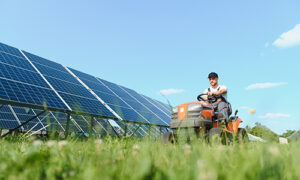 While often seen as a primary method, mechanical control in an eco-friendly context means using it judiciously and with consideration for its impact.
- Targeted Mowing: Using specialized mowers that can navigate around and under solar panels. Mowing can be effective for keeping grasses and broadleaf weeds short, reducing fire risk and shading. However, over-reliance can lead to soil compaction and can encourage the growth of low-lying, resilient weeds.
- Frequency should be determined by growth rates and site conditions, avoiding unnecessary passes.
- Weed Trimming: For areas inaccessible to mowers, string trimmers can be used. This is more labor-intensive but allows for precise control.
- Manual Weeding: For small infestations of persistent weeds or in highly sensitive areas, manual removal can be effective, though very labor-intensive for large sites.
- Grazing (Sheep): A truly innovative and increasingly popular method is the use of sheep for grazing. Sheep can effectively control vegetation without damaging panels or disturbing soil as much as heavy machinery.
- They consume a variety of plants, including many weeds.
- Their waste acts as a natural fertilizer.
- Reduces fuel consumption and carbon emissions associated with mowing.
- Requires careful management to ensure the sheep are healthy and contained, and that specific plant species toxic to sheep are not abundant.
- This method is particularly suitable for larger solar farms.
3. Biological Control
This involves using natural enemies to suppress weed populations. While less common for widespread solar farm vegetation management, it can be a part of a long-term strategy for specific problematic invasive species.
- Examples include introducing specific insects or pathogens that target particular weeds, but this requires extensive research and regulatory approval to ensure no unintended ecological consequences.
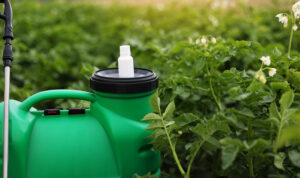
4. Chemical Control: Targeted and Sustainable Herbicide Use
Herbicides, when chosen and applied correctly, can be a vital tool in eco-friendly vegetation management. The key is “targeted and sustainable.” This means selecting products with minimal environmental impact and applying them precisely where needed.
- Low-Impact Herbicides: Choosing herbicides that have low toxicity to non-target organisms, break down quickly in the environment, and have minimal leaching potential. This means avoiding persistent, broad-spectrum chemicals.
- For an understanding of different herbicide types, consider reviewing what are herbicides and non-crop herbicides.
- Information on how herbicides can benefit urban areas, which also have sensitive environments, can be found here: benefits of herbicides in urban areas.
- Spot Treatment: Applying herbicides only to individual weeds or small patches, rather than broadcasting over large areas. This significantly reduces the amount of chemical used and minimizes off-target effects.
- Precision Application Equipment: Using technologies like targeted sprayers, wicking tools, or granular applicators that deliver the product directly to the target plant.
- Timing: Applying herbicides at the most effective stage of weed growth, which often means when weeds are young and actively growing, requiring less product for control. For granular herbicides, timing is also important; see our seasonal granular herbicide timing guide.
- Adjuvants: Using appropriate adjuvants to enhance herbicide efficacy, reducing the overall amount of active ingredient needed. Products like Wet-All wetting and sticking adjuvant or Hyperboost SL herbicide adjuvant can improve spray coverage and absorption. You can also learn more about surfactants in agriculture benefits.
- Residual vs. Non-Residual Herbicides: Understanding the difference is crucial. Residual herbicides provide longer-term control by forming a barrier in the soil, preventing new weed growth. Non-residual herbicides only affect the plants they come into contact with. For solar farms, a combination might be used, with residual products in areas where long-term bare ground is desired and non-residual for spot treatments.
5. Ground Cover and Landscape Design
Careful planning of the ground cover around and under solar panels can significantly reduce the need for ongoing weed control.
- Low-Growing, Drought-Tolerant Plants: Planting species that naturally stay short and require little water or maintenance. These can outcompete weeds and provide ecological benefits.
- Native Species: Utilizing native grasses or wildflowers that are adapted to the local climate and soil conditions, reducing the need for irrigation and providing habitat for local wildlife and pollinators.
- Gravel or Mulch Barriers: In specific areas, a layer of gravel or appropriate mulch can suppress weed growth. However, this needs to be assessed for thermal implications for the panels.
- Permeable Surfaces: Designing pathways and access roads with permeable materials to allow for water infiltration and reduce runoff.
Spotlight on Sustainable Herbicides for Solar Farms
When chemical control is necessary, choosing the right products is paramount for **eco-friendly vegetation management**. Here, we highlight two excellent examples: Springbok 360 SL and Astra 360 SL (a product with similar properties and applications to Springbok, both likely glyphosate-based formulations designed for effective weed control). These systemic herbicides offer effective control with features that align with sustainable practices.
 Springbok 360 SL and Astra 360 SL: Designed for Responsible Control
Both Springbok 360 SL and Astra 360 SL are systemic, non-selective herbicides. This means they are absorbed by the plant and translocated throughout its system, providing effective control of a wide range of annual and perennial grasses and broadleaf weeds. Their suitability for **eco-friendly vegetation management** in solar farms stems from several characteristics:
- Non-Selective, but Targeted Application: While non-selective, their use is optimized through targeted application. This means applying them directly to the unwanted vegetation, minimizing impact on desirable plants. This is crucial for preventing shade on panels and maintaining access.
- Systemic Action for Root Kill: Systemic herbicides like Springbok and Astra 360 SL move throughout the plant, reaching the roots. This is particularly effective for perennial weeds that can regrow from root fragments if only the top growth is removed. Root kill reduces the need for repeated applications, saving time and resources.
- Breaks Down in the Environment: Glyphosate, the active ingredient in many 360 SL formulations, is generally known to bind tightly to soil particles and break down relatively quickly in the environment through microbial action. This minimizes its persistence and potential for leaching into groundwater, aligning with water quality preservation goals.
- Low Mammalian Toxicity: These formulations typically have low toxicity to mammals when used according to label instructions, making them a safer option for applications in areas where wildlife may be present.
- Versatility for Various Weeds: They are effective against a broad spectrum of weeds commonly found in solar farms, from annual grasses to tougher perennial broadleaf weeds. This reduces the need for multiple specialized products.
How to Use Them Responsibly in Solar Farms
To maximize the eco-friendliness of products like Springbok 360 SL and Astra 360 SL:
- Spot Treatment is Key: Use backpack sprayers or precision applicators to target individual weeds or dense patches. Avoid broadcast spraying unless absolutely necessary for initial site clearing.
- Correct Dilution and Adjuvants: Always follow label rates for dilution. The use of appropriate adjuvants like Wet-All wetting and sticking adjuvant or Sprayfilm 10 non-ionic sticker and spreader can improve efficacy, meaning less product is needed for the desired effect. Learn more about surfactants in agriculture benefits.
- Timing of Application: Apply when weeds are actively growing, typically in spring or early summer, and when environmental conditions (temperature, wind) are suitable to minimize drift. Information on spray drift management can be found in our spray drift management guide and insights on weather and herbicide drift.
- Environmental Considerations: Be mindful of sensitive areas, water bodies, and desired vegetation. Always apply according to label instructions and local regulations.
- Integrated Approach: Combine herbicide use with other methods, such as mowing, grazing, or establishing desirable ground cover, to reduce overall reliance on chemical controls.
Other effective herbicides for non-crop areas that can be part of a broader eco-friendly vegetation management strategy include:
- Seismic Non-Selective Systemic Herbicide
- Hatchet Non-Selective Systemic Herbicide
- Browser Systemic Herbicide with Residual
- Limpopo SC Suspension Concentrate Herbicide and Limpopo GG Long-Lasting Granular Herbicide
- Kilo Non-Selective Granular Herbicide and Kilo 500 Cost-Benefit Analysis
- Versus Herbicide for Broadleaf Weeds (Versus for Broadleaf Weeds)
- Voloxypyr Herbicide for Volunteer Potatoes
- Triclon Systemic Herbicide for Woody Plants
- MSMA Selective Post-Emergence Herbicide (MSMA 720 SL Tank Mix Compatibility)
- Lumberjack Systemic Herbicide for Grass
- Scuba Contact Herbicide for Aquatic Weeds (useful for managing aquatic weeds near water features on solar farms, if applicable, see best aquatic contact herbicides)
- Bundu Long Residual Herbicide Non-Crop
- Astra Systemic Herbicide for Woody Plants
For more details on different types of herbicides, you can explore the Herbicide category, Non-Crop Herbicide category, Residual category, and Non-Residual category on our blog.
Establishing a Comprehensive Eco-friendly Vegetation Management Plan
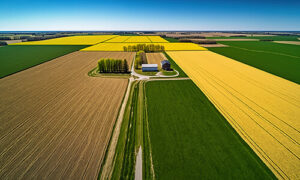 Developing a successful eco-friendly vegetation management plan for a solar farm requires a structured approach, blending various strategies and adapting them to the specific site conditions. It’s not a one-size-fits-all solution, but rather a dynamic process that evolves with the environment and operational needs.
1. Site Assessment and Baseline Data Collection
- Detailed Mapping: Create a precise map of the solar farm, identifying panel locations, access roads, drainage patterns, sensitive ecological zones (e.g., wetlands, habitats of protected species), and areas prone to specific weed infestations.
- Soil Analysis: Understand the soil type, pH, and nutrient content. This informs choices for ground cover and can influence herbicide breakdown.
- Existing Vegetation Survey: Document current plant species, identifying desirable native plants, invasive weeds, and any unique ecological communities present. This baseline helps in monitoring changes and success.
- Climate Data: Gather information on rainfall, temperature ranges, and wind patterns, as these factors influence plant growth and herbicide application efficacy and safety.
2. Defining Clear Objectives and Performance Indicators
- Operational Goals: Specify target levels of weed control (e.g., 95% weed-free under panels, 75% along access roads), acceptable panel shading limits, and fire risk reduction targets.
- Environmental Goals: Set measurable objectives for biodiversity enhancement (e.g., increase in pollinator species, native plant cover), soil health improvements, and minimization of chemical use (e.g., X% reduction in total herbicide volume).
- Economic Goals: Define cost-effectiveness targets and long-term budget projections for vegetation management. For example, a pasture management cost analysis provides a framework for assessing cost efficiency.
3. Selecting Appropriate Control Methods
Based on the assessment and objectives, select a combination of methods:
- Primary Method: Often a mechanical approach like targeted mowing or grazing for widespread control.
- Secondary Methods: Targeted herbicide applications (e.g., Springbok 360 SL for spot treatments of stubborn weeds, or specific residual herbicides for long-term bare ground maintenance in critical areas like electrical conduits).
- Preventative Measures: Implementing ground covers, proper drainage, and erosion control.
- Biological Controls: Investigating if specific biological agents are suitable for any prevalent invasive species.
4. Developing a Detailed Implementation Schedule
- Seasonal Calendar: Plan activities according to the growing season and specific weed life cycles. For instance, herbicide applications are often most effective when plants are actively growing. Granular herbicides also have seasonal timing considerations; consult a seasonal granular herbicide timing guide.
- Frequency of Operations: Determine how often mowing, inspections, and herbicide applications are needed. This will vary by season and weed pressure.
- Resource Allocation: Assign personnel, equipment (best sprayer for your needs), and materials for each task.
5. Training and Safety Protocols
- Staff Training: Ensure all personnel involved in vegetation management are properly trained in safe application procedures for herbicides, equipment operation, and identification of target weeds and sensitive areas.
- PPE (Personal Protective Equipment): Mandate the use of appropriate PPE for all chemical handling and application.
- Emergency Procedures: Establish clear protocols for spills, accidental exposure, or other incidents.
- Understanding Pesticides: All personnel should have a foundational understanding of all you need to know about pesticides.
6. Monitoring, Evaluation, and Adjustment
- Regular Inspections: Conduct frequent visual checks of the site to identify new weed growth, assess the effectiveness of current methods, and spot any emerging issues.
- Documentation: Keep detailed records of all vegetation management activities, including dates, methods used, products applied (including batch numbers and quantities), weather conditions, and observations on effectiveness.
- Performance Review: Periodically (e.g., annually) review the collected data against the defined objectives. Are the operational and environmental goals being met?
- Adaptive Management: Be prepared to adjust the plan based on monitoring results. If a method is not working as expected, or if new weed species appear, modify the strategy accordingly. This iterative process is crucial for long-term success in eco-friendly vegetation management.
Choosing the Right Adjuvants and Water Conditioners for Optimized Application
Effective herbicide application is not just about the herbicide itself; it’s also about ensuring that the product reaches its target and performs optimally. This is where adjuvants and water conditioners play a significant role in eco-friendly vegetation management.
The Role of Adjuvants
 Adjuvants are substances added to a spray tank to improve the efficacy of a pesticide or modify its physical properties. For herbicides, they can improve wetting, spreading, penetration, and rainfastness, ultimately reducing the amount of active ingredient needed to achieve desired results. This reduction in chemical use is a direct benefit to eco-friendly vegetation management.
- Wetting Agents/Surfactants: These reduce the surface tension of water, allowing the spray solution to spread more evenly over the leaf surface, improving contact and absorption. Examples include Wet-All wetting and sticking adjuvant and surfactants for agricultural chemicals like Silwet non-ionic organosilicone adjuvant. Learn more about surfactants in agriculture benefits.
- Sticking Agents: These help the spray droplets adhere to the leaf surface, preventing runoff and improving rainfastness. Sprayfilm 10 non-ionic sticker and spreader is an example.
- Penetrating Agents: These help the herbicide pass through the waxy cuticle of the plant leaf, getting the active ingredient into the plant more effectively.
- Buffering Agents: These adjust the pH of the spray solution to the optimal level for the herbicide, preventing degradation and ensuring maximum effectiveness.
- Drift Reduction Agents: These modify the spray viscosity to reduce the formation of fine, drift-prone droplets, ensuring more product reaches the target. This is critical for environmental protection. For more on managing spray drift, see our spray drift management guide.
When selecting an adjuvant, it’s crucial to match it to the specific herbicide and target weed, and always follow the herbicide label recommendations. Our adjuvant category provides more information.
The Importance of Water Conditioners
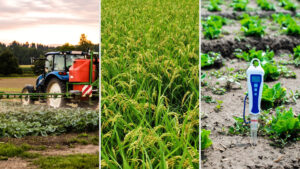 The quality of the water used for mixing herbicides can significantly impact their effectiveness. Hard water, which contains high levels of minerals like calcium and magnesium, can bind with herbicide molecules, making them less available for absorption by the plant. This leads to reduced efficacy and potentially the need for higher herbicide rates, which goes against the principles of eco-friendly vegetation management.
- pH Management: Some herbicides are sensitive to pH. Water conditioners can help adjust the pH of the spray solution to the ideal range, ensuring the herbicide remains stable and effective. Products like Quattro Buff pH Buffer for Herbicides and Allbuff pH Buffer for Agricultural Chemicals are designed for this purpose.
- Mineral Sequestration: Water conditioners like Balancer Ammonium Sulphate Water Conditioner contain compounds that bind with hard water minerals, preventing them from interfering with the herbicide. This ensures that the active ingredient remains fully active and available to the plant. You can also explore best water conditioner for hard water and industrial water conditioners.
By optimizing water quality with appropriate conditioners, solar farm operators can ensure that their herbicide applications are as effective as possible, minimizing waste and maximizing the environmental benefits of their eco-friendly vegetation management efforts. This also contributes to overall cost-effectiveness by reducing the need for repeat applications or higher product rates.
Long-Term Sustainability and Future Considerations for Solar Farm Vegetation Management
The journey towards truly sustainable and eco-friendly vegetation management on solar farms is an ongoing process. It requires a long-term perspective, adaptability, and a commitment to continuous improvement. As technology and our understanding of ecological systems evolve, so too should the strategies employed to maintain these vital energy assets.
Research and Development
- New Products: The agrochemical industry is consistently developing new herbicide formulations with improved environmental profiles, including even faster breakdown times and lower toxicity. Staying informed about these developments is important.
- Biological Controls: Research into effective biological control agents for specific invasive weeds is ongoing. As these become more widely available and proven, they can be integrated into management plans.
- Robotics and AI: Autonomous mowers and robotic sprayers equipped with AI and computer vision can precisely identify and target individual weeds, significantly reducing the need for broad applications of herbicides and minimizing human intervention. This area holds significant promise for the future of eco-friendly vegetation management.
 Enhanced Ground Cover Strategies
- Pollinator-Friendly Plantings: Expanding the use of native, low-growing plants that support local pollinator populations (bees, butterflies) can turn solar farms into biodiversity hotspots, providing significant ecological benefits beyond just energy production. This aligns with global efforts to reverse pollinator decline.
- Carbon Sequestration: Choosing ground cover plants that are effective at sequestering carbon can further enhance the environmental benefits of solar farms.
- Drought-Tolerant Native Seeds: Investing in and researching regionally appropriate native seed mixes that establish quickly, outcompete weeds, and require minimal water will be crucial, particularly in water-stressed regions.
Water Conservation and Management
- Rainwater Harvesting: Implementing systems to collect and store rainwater for irrigation of desirable ground cover during dry periods can reduce reliance on external water sources.
- Efficient Irrigation: If supplemental irrigation is necessary for establishing beneficial ground covers, employing drip irrigation or other highly efficient methods minimizes water waste.
- Permeable Surfaces: Continuing to design surfaces that allow for natural water infiltration helps recharge groundwater and reduces runoff.
Community Engagement and Education
- Transparency: Solar farm operators can build trust and acceptance within local communities by being transparent about their vegetation management practices and demonstrating their commitment to environmental stewardship.
- Educational Initiatives: Engaging with local schools and community groups to educate them about the dual benefits of solar energy and sustainable land management can foster a positive relationship.
- Local Partnerships: Collaborating with local conservation groups or agricultural experts can provide valuable insights and resources for optimizing eco-friendly vegetation management plans for specific regional contexts.
Regulatory Evolution and Best Practices
- Adapting to Regulations: Environmental regulations are dynamic. Solar farm operators must stay informed about evolving local, national, and international guidelines related to land use, chemical application, and biodiversity protection.
- Sharing Best Practices: Actively participating in industry forums and sharing successful eco-friendly vegetation management strategies with other solar farm operators can contribute to a collective improvement in industry standards.
- Certifications: Pursuing environmental certifications (e.g., pollinator-friendly solar farm certification) can provide external validation of sustainable practices and further enhance public perception.
By embracing these long-term considerations and continuously seeking out the most responsible and effective methods, solar farms can truly embody their role as pillars of clean energy and environmental stewardship. The goal is to create ecosystems where clean energy production and natural harmony not only coexist but thrive together, ensuring that the legacy of solar energy is one of both power generation and ecological regeneration.
 Conclusion: The Path to Sustainable Solar Energy
The journey towards widespread solar energy adoption is deeply intertwined with responsible land management. Eco-friendly vegetation management is not merely an optional add-on but a fundamental component of sustainable solar farm operation. It represents a commitment to maximizing energy production while simultaneously safeguarding the environment, preserving biodiversity, maintaining soil health, and protecting water quality.
By implementing an integrated approach that thoughtfully combines mechanical methods, innovative grazing solutions, targeted herbicide applications with products like Springbok 360 SL and Astra 360 SL, and smart landscape design, solar farm operators can achieve efficient vegetation control with minimal ecological impact. The careful selection of adjuvants and water conditioners further refines these efforts, ensuring that every drop of product is used to its fullest potential, reducing overall chemical load on the environment.
The benefits extend beyond environmental protection to include operational efficiencies, reduced long-term costs, improved public relations, and compliance with evolving environmental regulations. As the solar industry continues to grow, the adoption of these sustainable practices will ensure that solar farms are not only sources of clean energy but also valuable contributors to ecological resilience and healthy landscapes. Embracing eco-friendly vegetation management positions solar energy as a truly sustainable solution for our planet’s energy needs, fostering a future where technology and nature flourish side by side.
For more information on our products and sustainable solutions, visit our products page or explore our blog for further insights. You can also review our About Us section to learn more about our commitment to environmental responsibility. For specific inquiries, feel free to contact us.